How I Found My Rhythm With Simple Daily Moves
You don’t need long gym sessions or extreme workouts to feel better—just movement that fits your life. I used to rush through days, exhausted and stiff, until I realized fitness isn’t about intensity, it’s about consistency and rhythm. By adding small, natural motions into my daily routine, my energy shifted. This is how physical exercise quietly transformed my life, not as a chore, but as a steady, calming beat. It wasn’t a dramatic overhaul or a strict program. Instead, it was a gentle reconnection with my body through daily movement—something accessible, sustainable, and deeply restorative. Over time, these simple actions built resilience, improved my mood, and brought a sense of grounded calm I hadn’t known I was missing.
The Burnout That Started It All
For years, my days followed the same exhausting pattern: wake up late, rush through breakfast, sit at a desk for hours, skip lunch, return to more sitting, and end the day feeling drained yet restless. My body ached in quiet ways—tight shoulders, stiff hips, a persistent low back discomfort that flared after long stretches of stillness. I knew I should exercise, but the idea of hitting the gym after work felt like another demand on an already overburdened schedule. I tried high-intensity workouts, downloaded fitness apps, and even bought workout clothes I never wore. Each attempt ended the same way: initial enthusiasm followed by guilt when I couldn’t keep up. The cycle wasn’t just discouraging—it was unsustainable.
What I didn’t realize then was that my approach to fitness was rooted in all-or-nothing thinking. I believed that unless I was sweating, panting, and carving out 45 minutes, it didn’t count. That mindset set me up for failure because it ignored the reality of my life—my responsibilities, my energy levels, and my actual capacity. The turning point came when I stopped asking, How can I fit in a workout? and started asking, How can I move more today? That small shift in language reflected a deeper change: from seeing exercise as an obligation to viewing movement as a form of self-care. I began to understand that fitness isn’t a destination; it’s a daily practice, one that can be gentle, brief, and still profoundly effective.
Gradually, I let go of the idea that movement had to look a certain way. I stopped measuring success by calories burned or miles logged and started paying attention to how I felt—more alert, less tense, more connected to my body. This wasn’t about achieving a certain look or hitting a performance goal. It was about reclaiming a sense of vitality that had been eroded by years of sedentary living. The journey didn’t begin with a dramatic change but with a quiet realization: I didn’t need to do more. I just needed to move, consistently and kindly, in ways that honored my rhythm.
Rethinking Exercise: Beyond the Gym
For many, the word exercise conjures images of treadmills, weight rooms, or group fitness classes. But physical activity is much broader than structured workouts. At its core, exercise is simply movement—any intentional motion that engages the body. This broader definition opens the door to countless opportunities throughout the day, most of which require no special equipment, time, or expertise. The truth is, the human body was designed to move frequently, not intensely. Our ancestors didn’t spend hours in gyms; they moved naturally as part of daily life—walking, bending, lifting, reaching. Modern life has removed those natural movement patterns, replacing them with prolonged sitting and mechanical convenience.
Scientific research supports the idea that low-intensity, frequent movement plays a crucial role in overall health. Studies have shown that regular light activity improves circulation, reduces inflammation, and supports joint lubrication. Even brief bouts of movement—like standing up, stretching, or walking to the kitchen—help regulate blood sugar, prevent stiffness, and support cardiovascular function. One study published in the British Journal of Sports Medicine found that breaking up sedentary time with short walks or standing significantly reduced fatigue and improved mood in adults over 40. These benefits aren’t reserved for athletes or fitness enthusiasts; they’re accessible to anyone willing to reintegrate movement into daily life.
The myth that exercise must be hard to be effective persists because we’ve been conditioned to equate effort with results. But when it comes to long-term health, consistency trumps intensity. A 2022 review in JAMA Internal Medicine highlighted that people who engaged in regular light to moderate activity had lower risks of chronic disease and longer life expectancy than those who were sedentary, regardless of whether they also did vigorous exercise. This doesn’t mean intense workouts have no value—they do—but they aren’t the only path to wellness. For many, especially those managing fatigue, joint pain, or time constraints, gentle, frequent movement is not just a valid alternative; it’s often the most sustainable one.
Life Rhythm and Body Rhythm Go Hand in Hand
Every person has a natural rhythm—a flow to their day shaped by habits, responsibilities, and biological cues. When movement is aligned with this rhythm, it becomes effortless rather than forced. Think of it like music: when beats are in sync, the melody flows. The same is true for the body. When physical activity is woven into existing routines—like brushing your teeth, making coffee, or walking after dinner—it’s more likely to stick. This approach relies less on willpower and more on habit design, making it especially effective for women in midlife who juggle multiple roles and limited personal time.
Our bodies thrive on consistency. Regular movement helps regulate circadian rhythms, which influence sleep quality, hormone balance, and energy levels. For example, morning light exposure combined with gentle stretching signals the brain that the day has begun, helping to reset the internal clock. Similarly, a short walk after meals supports digestion and stabilizes blood sugar, reducing afternoon crashes. Over time, these small actions create a feedback loop: the more you move, the better you sleep; the better you sleep, the more energy you have to move. This synergy is not accidental—it’s physiological.
One real-life example of this principle is the concept of habit stacking, where a new behavior is linked to an existing one. A woman might decide to do three shoulder rolls every time she waits for the kettle to boil, or take a two-minute walk after hanging up the phone. These micro-movements accumulate, and because they’re tied to daily cues, they require little mental effort. Over weeks, the body begins to expect and even crave these moments of motion. The result isn’t just physical improvement—it’s a deeper sense of presence and connection to one’s body. Movement becomes less of a task and more of a natural expression of daily living.
My 3 Simple Movement Anchors
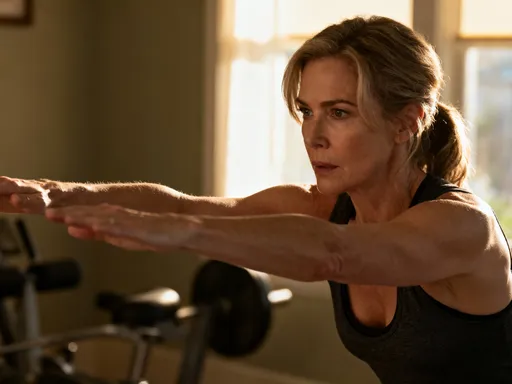
To make movement a consistent part of my life, I built three daily anchors—small, repeatable practices that fit seamlessly into my routine. The first is the Morning Wake-Up Flow, a five-minute sequence I do right after getting out of bed. It includes gentle neck rolls, shoulder shrugs, forward folds, and deep breathing. I don’t aim for perfection or intensity. The goal is simply to awaken the body, improve circulation, and set a calm tone for the day. This practice doesn’t require a yoga mat or special clothing—just a few square feet of space and the willingness to pause. Within weeks, I noticed I felt more alert in the mornings and less stiff when starting my day.
The second anchor is Workday Motion Breaks. Whether I’m at a desk, on a call, or folding laundry, I make it a point to shift my posture or move every 60 to 90 minutes. This might mean standing while reading emails, pacing during phone conversations, or doing calf raises while brushing my teeth. The key is frequency, not duration. These breaks prevent the physical stagnation that leads to lower back pain, poor circulation, and mental fog. Research from the American Heart Association suggests that even two minutes of light activity every hour can reduce the risks associated with prolonged sitting. I use my watch to remind me, but over time, my body began to signal when it was time to move—another sign that the rhythm was taking hold.
The third anchor is the Evening Unwind Walk, a slow 10 to 15-minute walk after dinner. I don’t track steps or speed. I simply walk—sometimes around the block, sometimes in the backyard—with no destination in mind. This walk serves as a transition from the busyness of the day to the calm of the evening. It helps me digest food, clear my mind, and reset my nervous system. Many nights, I notice that by the end of the walk, my thoughts are quieter, and I feel more prepared for rest. This practice has become so ingrained that on the rare evening I skip it, I feel its absence—a testament to how deeply it has become part of my rhythm.
Why Small Moves Make a Big Difference
The power of daily movement lies in accumulation. A single five-minute stretch may seem insignificant, but when repeated day after day, it contributes to measurable improvements in flexibility, circulation, and joint health. This is the principle of micro-dosing movement—small, frequent doses that add up to lasting change. A study from the National Institutes of Health found that adults who engaged in light physical activity for just 30 minutes a day had significantly lower levels of inflammation and improved metabolic markers compared to those who were mostly sedentary. These benefits occur even in the absence of formal exercise, underscoring the value of everyday motion.
Emotional well-being is another area where small movements have an outsized impact. Physical activity, even at low intensity, stimulates the release of endorphins and reduces cortisol, the stress hormone. Over time, this leads to improved mood, reduced anxiety, and greater emotional resilience. Many women in their 30s to 50s report feeling more grounded and less overwhelmed when they incorporate regular movement into their days. It’s not about eliminating stress—life will always have demands—but about building a body and mind that can respond with greater ease.
Perhaps the most profound benefit is the shift in self-perception. When movement becomes a regular, gentle practice, it fosters a kinder relationship with the body. Instead of seeing the body as something to be fixed or pushed, it’s viewed as a partner—something to listen to and care for. This mindset reduces the guilt and pressure often associated with fitness. Missing a day doesn’t mean failure; it’s simply part of being human. The goal isn’t perfection but presence. And over time, this presence builds not just physical strength, but emotional and mental resilience as well.
Overcoming the Obstacles (Without Willpower)
One of the biggest challenges in adopting any new habit is sustainability. Many women want to move more but face real barriers: lack of time, low energy, forgetfulness, or simply not knowing where to start. The good news is that lasting change doesn’t depend on motivation or willpower—it depends on design. By making movement easy, visible, and linked to existing habits, it becomes more likely to stick. For example, placing a pair of walking shoes by the front door serves as a visual cue to take a short walk. Pairing a two-minute stretch with the act of turning off the morning alarm makes it part of the routine.
Habit stacking, as mentioned earlier, is a powerful tool. It works because it leverages the brain’s natural tendency to link behaviors. When you consistently follow one action with another—like doing a few shoulder rolls after washing your hands—the second behavior becomes automatic over time. Another effective strategy is environmental design. If your workspace is set up for sitting, it’s harder to stand or move. But adding a small footrest, a standing mat, or even a water bottle across the room encourages subtle shifts in posture and activity. These small changes reduce friction and make movement the path of least resistance.
Equally important is self-compassion. There will be days when you’re too tired, too busy, or simply forget. That’s normal. The key is to respond with kindness, not criticism. Research in behavioral psychology shows that self-compassion increases long-term adherence to healthy habits. When you treat yourself with patience, you’re more likely to return to the practice the next day. Rhythm isn’t broken by a missed day; it’s sustained by gentle return. This mindset shift—from rigid discipline to flexible consistency—is what makes the difference between short-term effort and lifelong change.
Building a Life That Moves Naturally
The ultimate goal isn’t to add more tasks to your day but to create a lifestyle where movement is woven into the fabric of daily life. This means rethinking how we design our environments, routines, and expectations. Instead of scheduling exercise like a doctor’s appointment, we can build a life where motion happens naturally—walking to the mailbox, gardening, playing with grandchildren, or dancing while cooking dinner. These moments may seem small, but together, they form the foundation of lasting wellness.
When movement becomes habitual, it shifts from something you do to something you are. You begin to notice how your body feels when it’s been still too long, and you naturally seek ways to release tension. You might find yourself stretching while watching TV, standing during commercials, or choosing the stairs without thinking. This isn’t discipline; it’s rhythm. And when rhythm takes over, the need for motivation fades. The body begins to crave motion because it feels good—lighter, looser, more alive.
This transformation isn’t about achieving a certain fitness level or appearance. It’s about reclaiming a fundamental part of being human: the ability to move with ease and joy. For women in midlife, this can be especially empowering. As bodies change, the old ways of exercising may no longer serve. But gentle, consistent movement remains accessible and effective at any age or fitness level. It’s not about pushing harder; it’s about listening deeper. And when you do, you discover that wellness isn’t found in extremes—it’s found in the quiet, repeated choices that honor your body’s natural rhythm.
True wellness isn’t found in extremes, but in the gentle, repeated choices that align with your natural rhythm. Simple movement, done consistently, becomes more than exercise—it becomes a way of living. When your body moves with your day, not against it, you don’t just feel stronger. You feel more like yourself.