What Fixed My Hair? A Real Talk on Healing from the Inside Out
Hair struggles are more than skin deep—thin strands, breakage, and dullness once made me feel defeated. I tried every product, but nothing stuck. Then I shifted focus: what if healthy hair isn’t about what you put on, but how you care for your body and mind? This is my journey through a complete hair revival plan—combining science, routine shifts, and patience. No magic claims, just real changes that brought back strength, shine, and confidence, one strand at a time.
The Wake-Up Call: When Hair Loss Became Impossible to Ignore
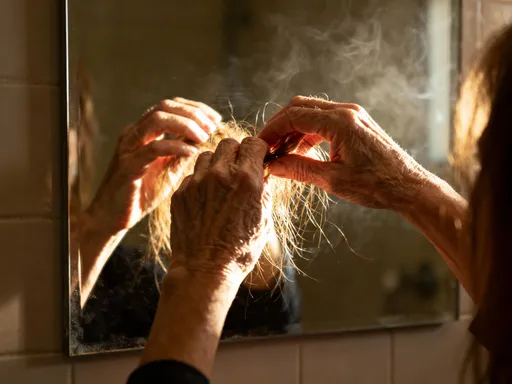
It started subtly—a few extra strands on the brush, more in the shower drain. At first, I dismissed it as seasonal shedding, something every woman hears about. But over months, the change became undeniable. My ponytail thinned. My part widened. I caught myself avoiding mirrors, not wanting to face the reflection of what felt like aging accelerated. One morning, after tugging gently at my hair and seeing a small clump come loose, something inside me shifted. This wasn’t just shedding. This was a signal.
What followed was a spiral of self-doubt and quiet frustration. I questioned my choices: Did I color too often? Was I styling too aggressively? Was I not washing enough—or too much? The emotional toll surprised me. Hair, I realized, wasn’t just about appearance. It was tied to identity, to feeling put together, to a sense of control. When that slipped, so did my confidence. I began researching, not for quick fixes, but for understanding. What I found was both unsettling and empowering: hair health is often a mirror of internal balance.
Common triggers like prolonged stress, sudden dietary changes, or hormonal fluctuations can all contribute to noticeable hair loss. These aren’t diagnoses, but patterns recognized in health communities. The body prioritizes survival over aesthetics. When under strain—emotional, physical, or metabolic—it may redirect energy away from non-essential functions like hair growth. The result? A temporary pause in the hair cycle, leading to increased shedding. Recognizing this helped me reframe the issue. This wasn’t vanity. It was a biological response, a quiet message from my body asking for better care.
Beyond Shampoos: Why Topical Fixes Aren’t Enough
I won’t deny it—I went down the product rabbit hole. I bought shampoos with exotic extracts, conditioners promising instant repair, serums with names that sounded like science but felt like marketing. I invested in silk pillowcases, wide-tooth combs, and heat protectants. Some helped with manageability, but none stopped the shedding. The truth is, no amount of external treatment can override an internal deficit. Hair grows from follicles rooted deep in the scalp, and their health depends on blood flow, nutrient delivery, and cellular activity—all processes that happen beneath the surface.
Topical solutions can improve the hair’s appearance—adding moisture, reducing breakage, or shielding from environmental damage. But they don’t address the root cause of weak or thinning hair. Think of it like tending a garden: you can polish the leaves, but if the soil lacks nutrients, the plants won’t thrive. Similarly, healthy hair begins with internal support. The body needs consistent access to key building blocks—proteins, vitamins, minerals—and the right conditions for cell regeneration. Without these, even the most expensive shampoo is just surface-level care.
This realization was a turning point. Instead of focusing on what I could apply, I began asking what I could provide. Could my diet be improved? Was I sleeping enough? Was stress silently draining my body’s resources? The shift from external to internal care wasn’t about rejecting skincare or styling routines. It was about recognizing their limits and expanding my approach. True hair rehabilitation requires a foundation—strong, consistent habits that nourish from within.
What Fuels Hair? The Nutrition Shift That Made a Difference
If hair is made of protein, then it makes sense that protein should be a cornerstone of any hair-supportive diet. I started paying attention to my intake, ensuring every meal included a quality source—eggs, Greek yogurt, lentils, chicken, or fish. These foods don’t just provide amino acids; they also deliver other essential nutrients that work in harmony. For example, eggs contain biotin and selenium, both linked to scalp health. Fish like salmon offer omega-3 fatty acids, which help keep the scalp hydrated and reduce inflammation.
I also focused on iron-rich foods, especially leafy greens, beans, and lean red meat in moderation. Iron plays a critical role in oxygen transport, and low levels have been associated with hair shedding in many studies. While I didn’t take supplements, I made sure my meals included sources that enhanced iron absorption—like pairing spinach with citrus or tomatoes. Vitamin C, found in bell peppers, strawberries, and oranges, helps the body utilize iron more effectively. This kind of food synergy—eating nutrients together for better impact—became a guiding principle.
Healthy fats were another game-changer. I reduced processed oils and increased intake of avocados, nuts, and seeds. Walnuts, in particular, are a natural source of omega-3s and vitamin E, both of which support circulation and protect hair from oxidative stress. I also added chia and flaxseeds to smoothies or oatmeal. These small changes didn’t feel restrictive; instead, they made meals more satisfying and nutrient-dense. Over time, I noticed my hair felt less brittle, more resilient. It wasn’t overnight, but the shift was real.
Keratin, the main structural protein in hair, relies on a steady supply of nutrients to form properly. Without adequate protein, iron, or essential fats, the body may produce weaker strands that break easily or enter the resting phase too soon. By aligning my diet with these biological needs, I gave my body the tools it needed to rebuild. It wasn’t about perfection—no one eats perfectly every day—but about consistency. Over weeks and months, these choices added up, creating an internal environment where hair could thrive.
Routine Rehab: Building Habits That Support Growth
Nutrition laid the foundation, but daily habits sealed the progress. I began with simple changes: brushing gently with a wide-tooth comb, especially when hair was wet and most vulnerable. I stopped aggressive towel-drying, opting instead to squeeze out excess water and let hair air-dry when possible. Heat styling became the exception, not the rule. I lowered the temperature on my blow dryer and used it less frequently, reserving flat irons and curling wands for special occasions.
One of the most impactful habits was scalp massage. For just five minutes each night, I used my fingertips to apply light pressure in circular motions. It felt soothing, almost meditative. But beyond relaxation, it served a physiological purpose: stimulating blood flow to the follicles. Improved circulation means more oxygen and nutrients reach the hair roots, supporting growth and cell turnover. I didn’t do it perfectly every day, but even irregular practice made a difference. Over time, my scalp felt less tight, less dry. I also noticed fewer flakes, suggesting better skin health.
Sleep became a non-negotiable part of my routine. I aimed for seven to eight hours each night, knowing that growth hormone peaks during deep sleep. This hormone plays a role in tissue repair, including hair follicles. I created a wind-down ritual—dimming lights, avoiding screens, drinking herbal tea—to signal to my body that it was time to rest. When I prioritized sleep, I woke up feeling more balanced, and over time, my hair reflected that stability.
These habits didn’t require drastic lifestyle changes. They were small, repeatable actions that fit into daily life. Yet their cumulative effect was powerful. Hair growth is slow—about half an inch per month—so progress is subtle. But by reducing physical stress on strands and supporting the body’s natural cycles, these routines created the conditions for recovery. It wasn’t about doing everything perfectly; it was about showing up consistently.
Stress and the Hair Cycle: How Calm Can Regrow
Among all the factors I explored, stress was the most surprising. I didn’t consider myself unusually stressed—no major crises, no job burnout—but life’s constant demands had taken a quiet toll. Long to-do lists, fragmented sleep, and emotional labor had kept my cortisol levels elevated without me realizing it. Cortisol, the primary stress hormone, can disrupt the hair growth cycle, pushing more follicles into the resting phase. This condition, known as telogen effluvium, often follows periods of physical or emotional strain and can lead to noticeable shedding months later.
Addressing stress didn’t mean overhauling my life. I started with small, sustainable practices. A daily 20-minute walk became my reset button—time away from screens, in fresh air, moving my body. I practiced deep breathing exercises before bed, inhaling slowly through the nose, exhaling through the mouth. These moments of pause didn’t eliminate stress, but they helped regulate my nervous system. I also learned to set boundaries—saying no when overwhelmed, protecting my time, and asking for help when needed.
Emotional well-being and physical health are deeply connected. When the mind feels calmer, the body follows. I noticed that on days when I felt more centered, my hair seemed less prone to breakage. I wasn’t imagining it—stress affects the integrity of the hair shaft and can weaken the follicle environment. By creating space for calm, I wasn’t just improving my mood; I was supporting regrowth. This wasn’t about achieving constant peace, but about building resilience. Over time, my shedding decreased, and new growth appeared—soft, fine strands at the hairline, a sign the cycle was restarting.
Tracking Progress: What Improved (and What Didn’t)
Patience was the hardest part. I wanted to see results fast, but hair grows slowly. After six weeks, I noticed less shedding during washing and brushing. That small win kept me going. By three months, my hair felt thicker, not in volume but in resilience. Strands didn’t snap as easily when pulled or styled. The texture had changed—less dry, more elastic. Around the four-month mark, I saw actual new growth along the hairline, especially near the temples. These baby hairs were fine and soft, but they were there.
Not everything improved at the same rate. My crown remained thinner than before, and I still had days when shedding increased—especially after poor sleep or high-stress periods. I learned that progress isn’t linear. There were plateaus, moments of doubt, and times when I wondered if I was fooling myself. But looking back at photos, the difference was clear. My hair had regained its shine, its strength. It no longer felt fragile. I could style it without fear of breakage. Confidence, long missing, began to return.
I didn’t achieve perfection, and I stopped expecting to. Hair health, like overall wellness, is dynamic. It responds to changes in diet, sleep, stress, and season. What mattered was the overall trend—toward strength, toward balance. I stopped comparing myself to others, recognizing that everyone’s journey is different. Genetics, age, and medical history all play a role. My goal shifted from fixing to supporting—giving my hair the best possible chance to thrive, without demanding unrealistic results.
Putting It All Together: A Sustainable Plan for Long-Term Hair Health
Looking back, no single change fixed my hair. It was the combination—the nutrition, the routine, the stress management, the sleep—that created lasting results. I learned that hair health is not a cosmetic issue but a reflection of overall well-being. When I treated my body with care, my hair responded. This wasn’t a quick fix or a trend; it was a shift in mindset. I stopped chasing perfection and started building sustainable habits.
Consistency mattered more than intensity. I didn’t have to eat perfectly every day or meditate for an hour. Small, repeated choices—choosing a protein-rich breakfast, taking a walk, brushing gently—added up over time. I also learned to listen to my body. If I was tired, I rested. If I was stressed, I paused. These weren’t indulgences; they were investments in long-term health.
For anyone struggling with hair changes, I encourage a compassionate approach. Avoid quick-fix products that promise miracles. Instead, focus on the fundamentals: nourish your body with whole foods, protect your strands from damage, manage stress, and prioritize sleep. These are not trendy solutions—they are science-backed pillars of health. And if concerns persist, consult a healthcare provider. Underlying conditions like thyroid imbalances or nutrient deficiencies should be ruled out with professional guidance.
True hair rehabilitation isn’t about a single product or ritual. It’s about aligning daily choices with long-term wellness. It’s about patience, self-care, and respect for the body’s natural rhythms. My journey taught me that healing takes time, but it is possible. By treating hair as a sign of inner health, not just outer appearance, I found a path to stronger, shinier strands—and a deeper sense of confidence that came not from how I looked, but from how I cared for myself.