Art Where You Least Expect It: Amsterdam’s Public Canvas Uncovered
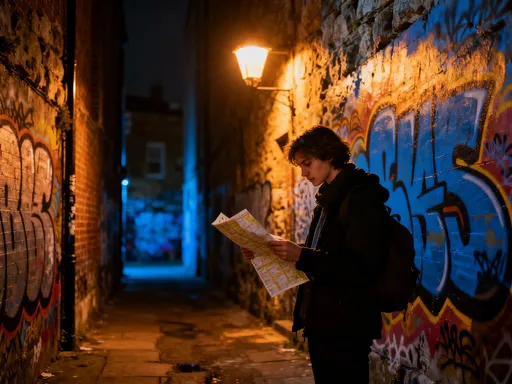
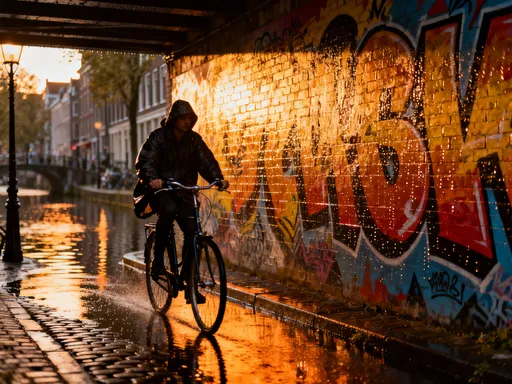
You know that feeling when you stumble upon a mural so bold it stops you mid-step? Amsterdam isn’t just canals and bikes—its streets breathe art. From graffiti-tagged bridges to open-air sculptures tucked in parks, the city turns sidewalks into galleries. I never expected to find such raw creativity just walking to the market. This is art without walls, meant for everyone, everywhere. In a world where museums charge entry and masterpieces hang behind glass, Amsterdam offers something different: a living, breathing canvas woven into the fabric of daily life. Here, art doesn’t wait to be discovered behind velvet ropes—it leaps out from alleyways, smiles from beneath train tracks, and dances across rooftops. It’s not curated for the elite, but created for the passerby, the curious, the child on a bicycle. This is public art not as an afterthought, but as a philosophy—one that transforms the ordinary into the extraordinary.
The Open-Air Gallery: Rethinking Public Space in Amsterdam
Amsterdam has long embraced the idea that beauty should not be confined. Unlike many cities where art is segregated into museums or designated cultural districts, Amsterdam integrates creativity into the rhythm of urban life. Public spaces here are not merely functional—they are expressive. Bridges, building facades, park benches, and even utility boxes become surfaces for storytelling, color, and imagination. This transformation is not accidental; it stems from a deeply rooted cultural belief that art should be accessible to all, regardless of background or income. The city’s approach reflects a democratic vision of culture—one where creativity is not reserved for galleries but thrives in shared spaces.
This mindset is supported by municipal policies that encourage artistic expression in public areas. Local governments often collaborate with artists and community groups to transform neglected spaces into vibrant zones of visual dialogue. For instance, certain neighborhoods have been designated as experimental zones where street art is not only permitted but celebrated. These areas serve as laboratories for innovation, where artists test new forms and engage directly with residents. The result is a cityscape that feels alive, constantly evolving, and deeply personal. It’s not uncommon to see residents pausing during their daily commute to admire a newly painted wall or to point out a hidden sculpture to a child.
What sets Amsterdam apart is its balance between freedom and structure. While artists are given room to experiment, there is also a level of curation that ensures quality and coherence. This is not a city overrun by random tags or vandalism, but one where even spontaneous works often carry intention and meaning. The city’s tolerance for creative expression does not equate to chaos—it reflects a thoughtful integration of art into urban planning. This philosophy has turned Amsterdam into an open-air gallery, where every turn offers a new encounter with beauty, humor, or social commentary.
Westergasterrein: Where Creativity Reclaims the City
One of the most vivid examples of Amsterdam’s public art ethos is the Westergas complex, a former gasworks site transformed into a dynamic cultural hub. Nestled in the western part of the city, Westergasterrein stands as a testament to urban regeneration through creativity. What was once an industrial wasteland now pulses with life—hosting festivals, food markets, and, most notably, large-scale public art installations. It’s a place where art, sustainability, and community intersect in powerful ways.
Throughout the year, Westergasterrein features rotating exhibitions that invite both established and emerging artists to experiment with space and material. Interactive light displays illuminate the evening fog, responding to movement and sound. Sculptures made from recycled metal, plastic, and wood rise like modern totems, telling stories of environmental awareness and innovation. During summer months, pop-up performances bring music, dance, and theater into unexpected corners of the site—turning pathways into stages and lawns into open-air theaters. These experiences are not passive; they invite participation, encouraging visitors to touch, walk through, or even contribute to the artwork.
What makes Westergasterrein particularly inspiring is its commitment to sustainability. Many of the installations are created from repurposed materials, reflecting Amsterdam’s broader environmental values. Old gas tanks have been converted into event spaces, and former storage buildings now house artist studios. This blend of history, ecology, and creativity gives the site a unique character—one that feels both rooted and forward-looking. Families, couples, and solo explorers alike gather here not just to see art, but to be part of a living cultural ecosystem. It’s a model of how post-industrial spaces can be reimagined not as relics of the past, but as canvases for the future.
Canal-Side Murals and Hidden Details
While Westergasterrein showcases large-scale interventions, Amsterdam’s quieter neighborhoods offer a more intimate kind of artistic discovery. In districts like Jordaan and Oost, art reveals itself in subtle, thoughtful ways. Here, the city’s history and diversity are painted not in textbooks, but on gable walls, in mosaic tiles, and along canal paths. Walking through these areas feels like flipping through a visual diary of Amsterdam’s soul—each piece a fragment of memory, identity, and community pride.
Jordaan, once a working-class district, now brims with hand-painted murals that honor its past while embracing contemporary themes. One wall might depict a 19th-century fishmonger with vivid realism, while another features a surreal collage of floating bicycles and blooming tulips. These works are not imposed from above, but often born from neighborhood initiatives—local artists collaborating with residents to reflect shared stories. In Oost, a more multicultural part of the city, murals celebrate linguistic diversity, with phrases in Arabic, Turkish, and Surinamese woven into colorful designs. These artworks do more than beautify; they affirm belonging and visibility in a rapidly changing urban landscape.
Equally captivating are the smaller, easily missed details—the ceramic tiles embedded in sidewalks, the carved reliefs above doorways, the painted shutters that wink from narrow houses. Some of these are centuries old, remnants of Amsterdam’s decorative heritage; others are modern interventions that play with tradition. Together, they encourage a slower, more mindful way of moving through the city. Instead of rushing from one landmark to the next, visitors find themselves pausing, looking down, tilting their heads. This is art that rewards attention, that transforms a simple walk into a journey of discovery. It reminds us that beauty often lies not in grand monuments, but in the quiet corners we might otherwise overlook.
Street Art Beyond Spray Paint: Mosaics, Knit Bombs, and More
When most people think of street art, they imagine spray-painted murals or stenciled tags. But in Amsterdam, the definition is far broader. The city embraces a rich variety of tactile, often temporary forms that add warmth and whimsy to its urban fabric. Among the most charming are the yarn bombings—knitted or crocheted covers wrapped around lampposts, benches, and bicycle racks. These soft, colorful installations, often created by local craft collectives, bring a sense of handmade care to cold metal structures. They’re playful, unexpected, and deeply human—like a warm hug in the middle of the city.
Equally delightful are the ceramic mosaics that adorn underpasses, stairwells, and children’s play areas. Crafted with care, these intricate works transform dim, utilitarian spaces into pockets of joy. A tunnel that might otherwise feel isolating becomes a kaleidoscope of fish, flowers, and stars. These mosaics are often community projects, involving schoolchildren, retirees, and artists working side by side. The process itself becomes a form of connection, strengthening neighborhood bonds while leaving behind lasting beauty.
Amsterdam also has an informal but widely respected code that protects such temporary art. While graffiti in unauthorized areas may be removed, yarn installations and small mosaics are often left intact for weeks or even months. There’s an unspoken understanding that these works contribute to the city’s charm and should be allowed to exist until they naturally fade. This tolerance reflects a deeper respect for creative expression, even when it’s fleeting. It acknowledges that not all art needs to be permanent to be meaningful. In fact, the impermanence of these pieces often makes them more precious—reminders to savor the moment before it’s gone.
How Public Art Shapes the Travel Experience
For travelers, Amsterdam’s public art offers something more profound than photo opportunities—it creates emotional resonance. Studies in tourism psychology suggest that people remember experiences more vividly when they are emotionally engaged, and art has a unique power to evoke feeling. A mural that makes you laugh, a sculpture that makes you pause, a yarn-covered bench that makes you smile—these are the moments that linger long after a trip ends. They become personal souvenirs, not captured in snapshots but held in memory.
Unlike traditional tourist attractions, public art invites spontaneity. You don’t need a ticket, a schedule, or a guidebook to encounter it. It appears when you least expect it—around a corner, beneath a bridge, beside a café. This unpredictability adds a sense of wonder to exploration, turning a simple walk into an adventure. Travelers often report feeling more connected to a city when they discover its art organically, as if they’ve been let in on a secret. These moments foster a sense of intimacy and authenticity that curated experiences sometimes lack.
Moreover, public art serves as a window into local culture. It reflects the values, histories, and concerns of a community—whether it’s a mural addressing climate change, a mosaic honoring immigrant contributions, or a playful installation celebrating Dutch design. For visitors, engaging with these works offers a deeper understanding of Amsterdam beyond its postcard image. It shifts the focus from sightseeing to sensing—feeling the pulse of the city through its creative expressions. In doing so, it supports a more mindful, respectful form of tourism—one that values connection over consumption.
Navigating the City Through Its Art
Discovering Amsterdam’s public art doesn’t require expert knowledge—just curiosity and a willingness to wander. For those eager to explore, certain neighborhoods offer especially rich experiences. The Eastern Docklands, for example, feature bold, large-scale murals along converted warehouse walls. NDSM Wharf, a former shipyard turned creative zone, hosts ever-changing installations and hosts an annual street art festival. In the city center, the canals of Jordaan and the side streets of De Pijp reveal quieter, more intimate works.
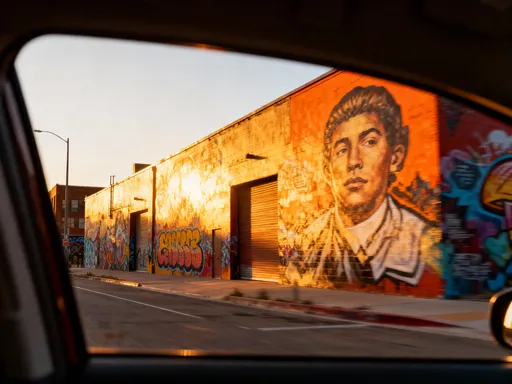
Walking and cycling remain the best ways to encounter art organically. Amsterdam’s flat terrain and extensive network of pedestrian and bike paths make it easy to cover ground while staying alert to surprises. Apps like Street Art Cities and Google Arts & Culture offer curated maps of notable works, but the most memorable discoveries often happen off the digital grid. Timing also matters—early mornings and weekday afternoons tend to be less crowded, allowing for quiet contemplation. Sunset casts a golden glow on many murals, enhancing their visual impact.
As you explore, it’s important to engage respectfully. While many pieces are meant to be touched or interacted with, others should be admired from a distance. Avoid obstructing public pathways or altering artworks in any way. Remember that these spaces belong to residents as much as to visitors. A simple rule of thumb: leave the art as you found it, and let others have the same moment of surprise and delight. By doing so, you honor both the creators and the community that sustains this living culture.
Why Amsterdam Gets It Right—and What Other Cities Can Learn
Amsterdam’s success with public art lies in its holistic approach—one that balances freedom with curation, innovation with tradition, and individual expression with community values. The city doesn’t treat art as decoration, but as a vital part of urban life. It supports artists through grants, residencies, and accessible exhibition spaces. It involves residents in creative decisions, ensuring that art reflects the people who live there. And it integrates art into planning from the start, rather than treating it as an afterthought.
This model offers valuable lessons for cities worldwide. In an era of increasing urbanization, public art can play a crucial role in making cities more livable, inclusive, and emotionally resonant. It can transform neglected spaces, reduce social isolation, and foster civic pride. But it requires more than funding—it demands a cultural shift. Leaders must see art not as a luxury, but as infrastructure. They must create policies that protect creative expression while maintaining public order. They must empower local artists and trust communities to shape their own environments.
Amsterdam shows us that art thrives when it is free to breathe. When it is allowed to appear on bridges, in parks, on benches, and around corners—when it is made not for collectors, but for children on bikes and grandparents on benches—then it becomes something more than art. It becomes a shared language, a collective heartbeat. Other cities need not replicate Amsterdam’s style, but they can adopt its spirit: the belief that beauty belongs to everyone, and that a city’s soul is revealed not in its skyline, but in the details along the way. In embracing art as a living, evolving presence, urban spaces can become not just functional, but meaningful. And in that meaning, we find connection, wonder, and the quiet joy of stumbling upon something beautiful—just when we least expect it.