Lost in the Medinas and Magic of Tunis
You know that feeling when a city just *gets* you? Tunis did exactly that—its labyrinthine medina, sunlit coast, and café-filled alleys pulled me in like nowhere else. I went for the history but stayed for the vibes: mint tea with locals, spontaneous street art hunts, and the kind of slow, soulful rhythm you can’t fake. This isn’t just a guide—it’s my real, unfiltered love letter to experiencing Tunis, one sensory explosion at a time. More than a capital city, Tunis is a living tapestry woven from centuries of trade, tradition, and quiet resilience. It doesn’t dazzle with polished perfection; instead, it wins you over with authenticity, warmth, and a pace that invites you to breathe deeper, look closer, and stay a little longer.
First Impressions: Stepping into North Africa’s Hidden Gem
Tunis greets travelers not with grand monuments or sterile airports, but with a warm, textured chaos that feels alive. From the moment you step out of Tunis-Carthage Airport, the city reveals itself in layers—French colonial architecture softened by bougainvillea, the distant call of the muezzin blending with tram bells, and the scent of roasted cumin drifting from roadside grills. Unlike the over-polished charm of some Mediterranean capitals, Tunis offers something rarer: unfiltered reality. It’s a city where donkey carts rattle beside sleek light rail trains, and centuries-old mosques stand in quiet dignity above the bustle of open-air markets. This isn’t a place preserved behind glass; it’s a working, breathing capital where daily life unfolds in vivid color.
The journey into the city center sets the tone. As you pass through the coastal suburbs, glimpses of the Gulf of Tunis appear between palm trees—turquoise waters shimmering under the North African sun. Soon, the skyline reveals the whitewashed domes and blue trim of Sidi Bou Said, perched like a dream on a hilltop. But even before you reach it, Tunis asserts its identity. It’s a cultural crossroads, shaped by Berber roots, Arab influences, Ottoman architecture, and French colonial legacy. This blend isn’t performative; it’s embedded in the streets, the food, and the way people move through their days with both purpose and grace.
What makes Tunis stand out is its authenticity. There are no artificial attractions or theme-park medinas here. Instead, you find a city that asks you to slow down and pay attention. The uneven cobblestones, the hand-painted signs in Arabic script, the elderly men playing backgammon in shaded squares—these are not curated for tourists. They are the fabric of life. And that’s precisely why so many travelers leave feeling changed. Tunis doesn’t cater to expectations; it reshapes them. For women between 30 and 55—many of whom have spent years juggling family, work, and personal dreams—this city offers something precious: a chance to step outside the routine and reconnect with a deeper sense of presence.
Wandering the Medina: More Than Just a Marketplace
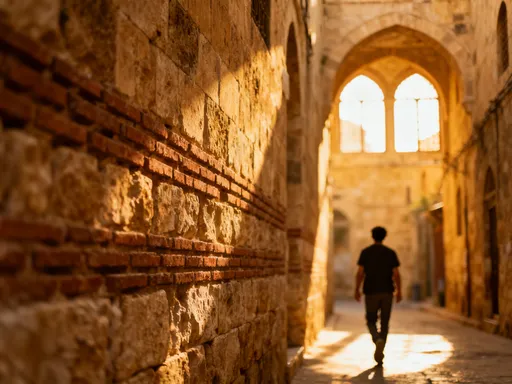
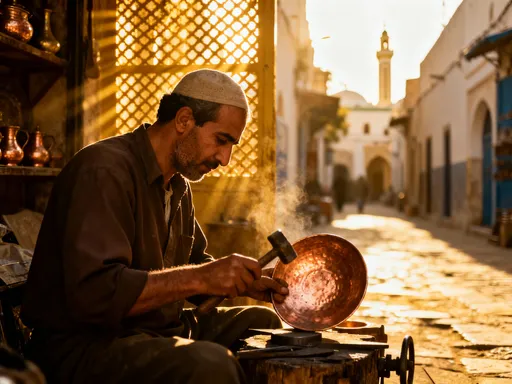
The Medina of Tunis, a UNESCO World Heritage site, is not merely a collection of shops—it is a living organism, a centuries-old neighborhood where history pulses through every narrow alley. As you pass through Bab El Bahr, the iconic blue gate that marks the entrance, the city’s modern rhythm gives way to something older, quieter, and infinitely more captivating. The air grows thick with the scent of leather, incense, and warm bread. Sunlight filters through wooden latticework, casting intricate shadows on ochre walls. Children dart between stalls, and artisans tap rhythmically at copper pots, their hands moving with the precision of generations.
Walking through the medina is like stepping into a different era, not because it’s frozen in time, but because it has evolved without losing its soul. The Zitouna Mosque, one of the oldest and most revered in North Africa, stands at the heart of the quarter, its courtyard a sanctuary of stillness amid the surrounding energy. Nearby, the perfume souk tempts with glass bottles of rosewater, amber, and musk—each scent carrying a story, a memory, a tradition passed down through families of perfumers. It’s easy to spend hours here, not just shopping, but observing: a woman bargaining for saffron, a tailor threading a needle by hand, a vendor pouring sweet mint tea into small glasses.
A full-day walking route through the medina offers both structure and spontaneity. Begin at Bab El Bahr, then head toward the Zitouna Mosque, pausing at the courtyard of Dar Ben Abdallah, a restored 18th-century palace that now serves as a museum of popular arts. From there, wander into the pottery quarter, where master ceramists shape and glaze delicate blue-and-white pieces using techniques unchanged for centuries. Watching a craftsman at work is a meditation in focus and patience—a reminder of the beauty in slow, intentional creation. Later, find a quiet café tucked behind the spice stalls, where strong Turkish-style coffee is served on low tables, and time seems to stretch.
What makes the medina so powerful is not just its beauty, but its accessibility. Unlike museums or archaeological sites, this is not a place you observe from a distance. You are invited to walk through it, touch it, taste it. You can sip tea with a shopkeeper, haggle gently for a handwoven rug, or simply sit on a stone bench and watch the world go by. For travelers seeking connection, the medina delivers in ways that no guidebook can capture. It’s not about collecting souvenirs; it’s about collecting moments—fleeting, genuine, and deeply human.
Sidi Bou Said: The Village of Blue and White Dreams
Perched on a cliff overlooking the Gulf of Tunis, Sidi Bou Said is often dismissed as overly touristy—a picturesque postcard come to life. And yes, the cobalt doors, white walls, and geranium-filled balconies are undeniably photogenic. But to reduce it to a backdrop for Instagram photos is to miss its soul. This village, named after a 13th-century Sufi saint, has long been a haven for artists, poets, and dreamers. Its quiet lanes, shaded by palm trees and jasmine vines, carry an air of timeless elegance. The key to experiencing Sidi Bou Said is timing and intention: go early, go slow, and let the village reveal itself beyond the surface.
The best time to visit is just after sunrise, when the golden light softens the blue doors and the streets are still quiet. By mid-morning, tour groups arrive, and the narrow alleys fill with the click of cameras. But if you come before 9 a.m., you’ll have the place nearly to yourself. Walk down Rue des Artistes, where small galleries display local paintings and ceramics, then take a hidden path that leads to a cliffside viewpoint. From here, the sea stretches endlessly, and fishing boats bob gently on the waves. It’s a moment of pure serenity—one that reminds you why this village has inspired so many artists over the decades.
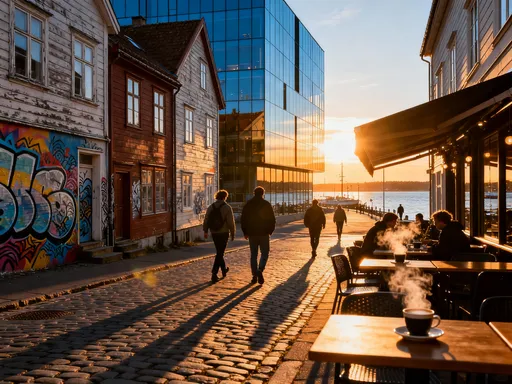
No visit is complete without a stop at Café des Nattes, a legendary spot perched on the edge of the cliff. The name refers to the traditional woven mats once used by patrons, though today you’ll find wooden tables and cushioned seats. Order mint tea—not just for the drink, but for the ritual. The tea is poured from a height, creating a froth that signals its strength. As you sip, you’re not just drinking a beverage; you’re participating in a centuries-old tradition of hospitality and contemplation. Artists once gathered here to sketch, write, and debate. Today, the café still hums with quiet creativity.
Sidi Bou Said is more than a day trip; it’s a mood. It invites reflection, appreciation, and a kind of gentle stillness that’s rare in modern travel. For women who have spent years in motion—raising children, managing households, navigating careers—this village offers a rare gift: permission to pause. There’s no agenda, no checklist. Just beauty, light, and the sound of the sea. And sometimes, that’s exactly what the soul needs.
Taste of Tunis: From Street Food to Family Kitchens
In Tunis, food is not a side note—it is the heartbeat of daily life. Meals are slow, shared, and deeply rooted in seasonality and tradition. The cuisine is a vibrant fusion of Berber, Arab, Ottoman, and Mediterranean influences, resulting in bold flavors, aromatic spices, and dishes that tell stories of family, celebration, and resilience. To eat in Tunis is to connect—to the land, to the people, and to a way of life that values generosity above all.
Start with breakfast, often a simple but satisfying spread of fresh bread, olive oil, olives, and smen (aged butter) served with honey or date syrup. Street food is where Tunisian cuisine truly shines. A *brik*—a crispy, golden pastry filled with egg, parsley, and sometimes tuna—is a morning favorite, best eaten hot from a street vendor near the medina. Equally iconic is *lablabi*, a warming chickpea soup seasoned with cumin, garlic, and harissa, typically served in small bowls with a slice of lemon and a sprinkle of capers. Locals sip it standing at tiny counters, especially in cooler months, often accompanied by a hard-boiled egg cracked on top.
For a deeper culinary experience, consider joining a local food tour that includes a home-cooked meal. These intimate gatherings take place in family kitchens, often in older neighborhoods like the medina or El Omrane. A Tunisian grandmother might welcome you with a warm smile, then guide you through the preparation of *couscous with seven vegetables* or *tajine malsouka*, a savory pie made with layers of thin dough and spiced meat. The meal is served on a low table, eaten with the right hand—a practice that fosters closeness and mindfulness.
Seasonality plays a crucial role in Tunisian cooking. In spring, dishes feature fresh herbs and artichokes; in summer, tomatoes, zucchini, and figs dominate; in autumn, grapes and pomegranates appear in both savory and sweet preparations. Even desserts reflect the land’s bounty—*kaak warka*, a delicate ring-shaped pastry filled with almonds and dusted with powdered sugar, is a staple at weddings and religious celebrations. Eating in Tunis is never just about nourishment; it’s about ritual, relationship, and respect for the ingredients.
For travelers, dining here is an invitation to slow down and savor. There are no fast-food chains in the old city, no hurried meals at plastic tables. Instead, you’ll find family-run eateries where the owner remembers your name, and where a single cup of tea can last an hour. It’s a reminder that food is not fuel—it’s connection. And in a world that often feels too fast, too fragmented, that connection is a gift.
Coastal Escapes and Urban Nature: Beyond the City Center
Tunis is often associated with its medina and cultural landmarks, but the city also offers serene natural escapes that balance its urban energy. The Corniche, a scenic coastal road stretching from the city center to the northern suburbs, is perfect for leisurely strolls, morning jogs, or quiet moments by the sea. Lined with palm trees and dotted with small cafés, it provides a refreshing contrast to the medina’s narrow alleys. Fishing boats bob offshore, their nets drying in the sun, and the sound of waves offers a soothing backdrop to contemplative walks.
Within the city limits, Belvédère Park is a green oasis that surprises many visitors. Once part of a grand colonial estate, the park now serves as a public space where families picnic, children play, and peacocks strut freely among the olive trees. At its highest point, the Belvédère Palace offers panoramic views of Tunis and the surrounding hills. Scattered throughout the park are remnants of Roman cisterns, silent witnesses to the city’s ancient past. It’s a place where history, nature, and daily life coexist in harmony.
For a more relaxed coastal experience, the suburbs of La Marsa and Gammarth are ideal day trips. La Marsa, with its marina and seaside promenade, exudes a laid-back elegance. Small beach clubs offer shaded loungers and fresh seafood grilled to order. Gammarth, slightly more upscale, is known for its luxury resorts and tranquil coves, but it also has public access points where you can swim in clear, calm waters. Both areas are easily reachable by the TGM light rail, a charming coastal train that runs from Tunis to the northern coast. Riding the TGM is an experience in itself—windows down, sea breeze in your hair, the rhythm of the rails syncing with the waves.
These coastal and green spaces are not just scenic diversions; they are essential to the city’s rhythm. They offer space to breathe, to reflect, to recharge. For women who often carry the weight of household and emotional labor, these moments of quiet in nature are not indulgences—they are necessities. Tunis understands this balance. It doesn’t demand constant activity; it invites pause, presence, and simple pleasure.
Practical Magic: Navigating Culture, Costs, and Connections
Traveling to a new country can feel daunting, but Tunis is remarkably welcoming and accessible, especially for independent travelers. With a few practical tips, you can move through the city with confidence and ease. Public transportation is efficient and affordable. The Tunis Metro covers key areas, while the TGM light rail connects the city to coastal towns. Taxis are plentiful, but it’s wise to agree on a fare before starting your journey, or ensure the meter is running. For longer trips, shared *louages* (minibuses) are a budget-friendly option, though they follow fixed routes and depart only when full.
The local currency is the Tunisian dinar (TND), and while credit cards are accepted in hotels and larger restaurants, cash is essential in markets and small eateries. ATMs are widely available, but it’s best to carry smaller bills for bargaining and small purchases. Speaking a few phrases in Arabic or French—such as *salam alaikum* (peace be upon you), *shukran* (thank you), or *combien ça coûte?* (how much does it cost?)—goes a long way in building rapport. Tunisians appreciate the effort, even if your pronunciation is imperfect.
Dress is generally modest, especially in religious sites and traditional neighborhoods. While Tunis is a relatively liberal city, covering shoulders and knees is a sign of respect. In the medina and rural areas, it’s especially appreciated. Bargaining is expected in souks, but it should be done with a smile and a sense of fairness. The goal is not to win, but to engage in a friendly exchange. A successful negotiation often ends with tea, a gesture of goodwill.
Safety in Tunis is generally good for tourists, particularly in well-traveled areas. Petty crime exists, as in any city, but violent crime is rare. The greatest risks are often overstated in travel advisories. By staying aware, avoiding isolated areas at night, and respecting local customs, most travelers find Tunis to be warm, safe, and deeply hospitable. Costs are also reasonable—meals, transportation, and accommodations are significantly more affordable than in most European capitals. This makes Tunis an ideal destination for women traveling solo or on a budget, offering rich experiences without financial strain.
Why Tunis Stays With You: The Quiet Power of Slowness
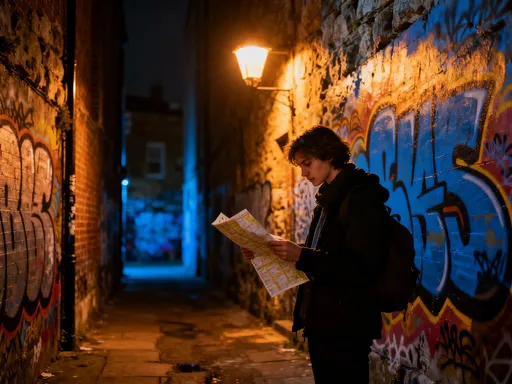
In an age of curated travel itineraries and Instagram checklists, Tunis offers something radical: the permission to do less. It doesn’t demand that you see everything, buy everything, or post everything. Instead, it invites you to linger—to sit in a café for an hour over a single cup of tea, to get lost in the medina without a map, to accept an invitation to a stranger’s home. This is not a city of grand gestures; it is a city of quiet moments that accumulate into something profound.
What stays with you after leaving Tunis is not a list of sights, but a feeling—a sense of presence, of connection, of being seen. It’s in the way a shopkeeper remembers your tea order, the way children wave from a doorway, the way the light changes over the Gulf in the late afternoon. These are not tourist experiences; they are human ones. Tunis teaches you to travel not with your camera, but with your heart.
For women who have spent years moving at breakneck speed—juggling careers, children, and responsibilities—this city offers a different rhythm. It whispers: slow down, breathe, listen. It reminds you that joy can be found in simplicity, that connection matters more than efficiency, and that beauty often hides in the ordinary. Tunis doesn’t shout. It doesn’t need to. Its magic is in the details, in the pauses, in the spaces between words.
And if you let it, that magic might just change how you move through the world. Not with urgency, but with intention. Not with noise, but with presence. Tunis doesn’t just stay with you—it reshapes you. Long after you’ve returned home, you’ll find yourself pausing a little longer, smiling a little more, savoring the quiet moments. Because once you’ve felt the soul of Tunis, you carry it with you. And that, perhaps, is the most powerful journey of all.