You Won’t Believe These Viewpoints in Turku – Photo Spots That Steal the Show
Nestled where the Aura River meets the Baltic Sea, Turku, Finland, is a hidden gem for photographers and wanderers alike. I never expected such raw beauty from Finland’s oldest city—ancient walls, golden sunsets, and quiet hilltops with panoramic magic. These viewpoints aren’t just scenic; they tell stories. From castle-topped shores to forest-clearing lookouts, each spot offers a unique frame. If you're chasing authentic moments through your lens, Turku delivers—quietly, beautifully, unexpectedly.
Why Turku Deserves a Spot on Every Travel Photographer’s List
As Finland’s first capital and one of its oldest continuously inhabited cities, Turku holds a special place in the nation’s cultural memory. Though often overshadowed by Helsinki’s cosmopolitan flair or Lapland’s northern mystique, Turku offers a more intimate portrait of Finnish life—where centuries-old architecture blends seamlessly with riverfront serenity. This understated charm is precisely what makes it a compelling destination for travel photographers seeking authenticity over spectacle. Unlike heavily touristed cities where photo opportunities feel staged, Turku unfolds naturally, revealing layers of history, nature, and daily rhythm in quiet harmony.
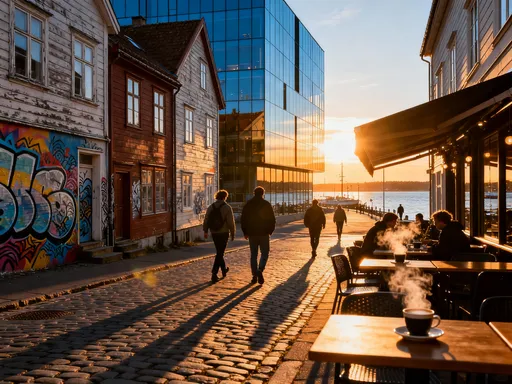
The city’s location at the mouth of the Aura River provides a natural corridor between inland forests and the open sea, creating diverse visual textures within a compact area. One moment you’re walking past 18th-century wooden houses painted in soft pastels; the next, you’re framed by pine-dotted islands fading into the Baltic horizon. This convergence of urban heritage and wild coastline allows for a wide range of photographic genres—architectural, landscape, street, and environmental portraiture—all within a single day’s itinerary. For photographers who value variety without the need for long travel distances, Turku is a strategic and inspiring base.
What truly sets Turku apart is its balance between accessibility and tranquility. While it welcomes visitors warmly, it does not revolve around tourism. Life here continues at a measured pace, allowing for candid moments—a fisherman mending nets by the harbor, students cycling across cobbled lanes, elderly couples sharing coffee on a park bench. These unscripted scenes, when paired with Turku’s natural backdrops, create images that feel both personal and timeless. In a world where many destinations look the same through the lens, Turku offers a refreshingly distinct visual language.
The Aura River Walk: Where City Meets Nature in Perfect Balance
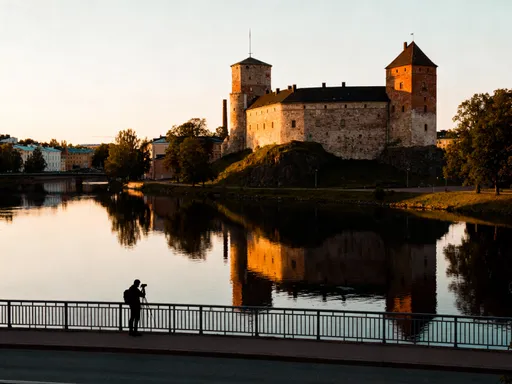
Stretching from Turku Castle in the east to the archipelago gateway in the west, the Aura River Walk is the city’s scenic spine and a photographer’s dream. Lined with leafy promenades, historic bridges, and quiet embankments, this riverside path captures the essence of Finnish urban design—minimalist, functional, and deeply connected to nature. The water itself acts as a living mirror, reflecting the changing sky, passing boats, and the silhouettes of old warehouses transformed into galleries and cafés. At no other point in Turku does the harmony between built environment and natural flow feel so complete.
Golden hour along the Aura River is nothing short of magical. As the sun dips below the western hills, its light spills across the surface in molten gold, turning even the simplest scenes into painterly compositions. This is the ideal time for long-exposure photography—tripod steady, shutter slow—capturing the soft blur of a passing rowboat or the gentle ripple of wind across the water. The reflections elongate, distort, and shimmer, creating abstract patterns that contrast beautifully with the sharp lines of the bridges and buildings. Photographers who time their visit right often find themselves lingering far longer than planned, drawn into the meditative rhythm of light and motion.
Several key viewpoints stand out along this stretch. The bridge near Luostarinmäki Handicrafts Museum offers a wide-angle perspective, framing the castle on one side and the modern cityscape on the other. Just downstream, a series of wooden benches near the old mill provide secluded perches perfect for unobstructed shots. Further west, near the Market Square, the river widens slightly, allowing for sweeping compositions that include both river traffic and the surrounding greenery. These spots are accessible year-round, each season offering a different mood—spring’s fresh greenery, summer’s golden glow, autumn’s fiery hues, and winter’s silent frost.
Turku Castle Grounds: A Timeless Backdrop with Epic Vistas
Rising from the riverbank like a sentinel of history, Turku Castle dominates the eastern end of the city with its imposing stone walls and twin towers. Built in the late 13th century, it is one of the oldest and best-preserved medieval fortresses in Finland. While many visitors focus on the interior exhibits, the true photographic treasure lies in the castle’s outer grounds—elevated terraces and grassy embankments that offer sweeping views of the Aura River and the city beyond. From these vantage points, the contrast between ancient stone and modern skyline creates a powerful narrative of continuity and change.
The west-facing terrace, in particular, is a favorite among photographers. Positioned just behind the main keep, it provides an unobstructed panorama of the river as it winds toward the sea. In the foreground, the castle’s weathered battlements add texture and depth, while in the distance, the spires of Turku Cathedral and the glass façades of contemporary buildings create a striking juxtaposition. This blend of old and new is not just visually compelling—it speaks to Finland’s ability to honor its past while embracing the future. Capturing this duality requires careful framing, but the result is a single image that tells a complex story.
Seasonal variations enhance the castle’s photographic appeal. In spring, cherry blossoms bloom along the lower garden paths, softening the fortress’s stern character with delicate pink hues. Summer brings lush green lawns and vibrant flowerbeds, ideal for adding color contrast to stone-dominated compositions. Autumn transforms the surrounding trees into a tapestry of red, orange, and gold, reflecting in the river below. Even in winter, when snow blankets the grounds and icicles hang from the towers, the castle retains its grandeur—its silhouette sharp against a pale sky, smoke curling from nearby chimneys. For photographers who appreciate historical depth, few locations in Finland offer such consistent visual richness.
Ruissalo Island: Hidden Forest Paths and Secluded Coastal Edges
A short ferry ride from the city center, Ruissalo Island feels like a world apart. Part of the Archipelago Sea National Park, this protected area is a sanctuary of pine forests, rocky inlets, and winding nature trails. Unlike the more developed islands in the region, Ruissalo remains largely untouched, preserving a sense of wild solitude that is increasingly rare near urban centers. For photographers seeking untouched natural beauty, it offers an abundance of intimate scenes—twisted tree roots gripping moss-covered stones, sunlight filtering through dense canopies, and quiet coves where waves lap gently against ancient bedrock.
The island’s network of walking paths leads to a series of carefully placed clearings and observation decks, each designed to reveal a new perspective without disrupting the environment. One of the most photogenic routes begins at the Ruissalo Manor and follows the coastline westward, opening suddenly onto a rocky promontory with panoramic views of the outer archipelago. Here, the horizon stretches endlessly, dotted with small, forested islands that rise like emerald sentinels from the sea. The natural framing—gnarled pines leaning into the wind, granite boulders shaped by centuries of erosion—adds depth and drama to wide-angle shots without the need for artificial elements.
What makes Ruissalo especially valuable for photography is its biodiversity. In a single hour’s walk, one might encounter wildflowers blooming in a sunlit clearing, seabirds circling above the cliffs, or a deer emerging silently from the underbrush. These fleeting moments, when captured with patience and discretion, elevate a landscape photo into a story of life and resilience. The island also supports several conservation initiatives, and informational signs along the trails provide context without intruding on the visual experience. For those who believe that great photography respects its subject, Ruissalo offers both inspiration and ethical grounding.
Top of Kakolanmäki Hill: A Former Prison Site with Stunning Panoramas
Perched on a limestone cliff overlooking the Aura River’s mouth, Kakolanmäki Hill carries a weighty history. For over a century, it was home to Finland’s most notorious prison, a fortress-like institution carved into the rock. Today, the site has been transformed into a cultural hub—hosting a brewery, restaurant, and public event spaces—while preserving its architectural integrity. But beyond its modern reinvention, Kakolanmäki offers one of the most breathtaking panoramic views in the region, particularly at sunset, when the sky ignites in hues of amber and rose over the water.
The viewpoint at the top of the hill is accessible via a gentle walking path or a restored stone staircase. As you ascend, the city unfolds below—a patchwork of red rooftops, tree-lined streets, and the winding river leading to the open sea. From this elevation, the scale of Turku becomes clear: a compact, human-scaled city nestled between land and water, where nature is never far away. The westward-facing vantage point is ideal for capturing the daily drama of twilight, as the fading light gilds the river and silhouettes the distant islands. Long-exposure shots here can convey the passage of time—ferry lights trailing across the darkening water, stars emerging above the treetops.
The textures of Kakolanmäki add another layer of visual interest. The old prison walls, built from local stone, bear the marks of time—lichen-streaked surfaces, rusted iron fixtures, and deep shadows cast by narrow windows. These elements contrast powerfully with the vast openness of the sky and sea, creating a dialogue between confinement and freedom, past and present. Photographers drawn to moody, atmospheric compositions will find ample material here. Even without focusing on the panoramic sweep, close-up details—the grain of weathered wood, the curve of an iron railing—can yield compelling images that speak to memory and transformation.
Archipelago Access Points: Framing Finland’s Island Chain
The Finnish archipelago is one of the largest in the world, with over 40,000 islands scattered across the Baltic Sea. Turku serves as one of its primary gateways, offering multiple departure points for ferries and sightseeing boats. For photographers, these access zones are not just transit hubs—they are dynamic stages where land, water, and human activity converge. The most photogenic of these is the Vartiovuori Esplanade, a waterfront promenade that lines the southern edge of the city center. From here, the view extends across the harbor to the outer islands, their shapes shifting with the light and weather.
Timing is crucial when photographing the archipelago from shore. The interplay of light and water changes rapidly, especially during the shoulder hours of dawn and dusk. On clear mornings, the sun rises behind the city, casting long shadows across the water and illuminating the undersides of passing clouds. In the evening, the western sky becomes a canvas of color, reflected in the still surface like a second world beneath. These moments are fleeting, requiring preparation and patience, but the resulting images often possess a dreamlike quality that transcends mere documentation.
Another advantage of shooting from access points like Vartiovuori is the opportunity to include maritime activity in the composition. Ferries, sailboats, and fishing vessels move steadily through the channels, adding scale and motion to static landscapes. By synchronizing visits with ferry schedules, photographers can anticipate arrivals and departures, using the vessels as dynamic elements—leading lines, focal points, or rhythmic patterns. A well-timed shot might capture a ferry emerging from morning mist, its lights glowing like stars, or a sailboat tacking against a fiery sunset. These scenes not only showcase the beauty of the archipelago but also emphasize its living, working character.
Local Secrets: How to Find Quiet Moments in Tourist-Friendly Spots
One of the greatest challenges for travel photographers is capturing authentic moments without the intrusion of crowds. In Turku, this is less a problem than in larger cities, but popular viewpoints like Turku Castle and Kakolanmäki Hill can still draw visitors, especially during summer. The key to finding solitude lies in timing and mindset. Early mornings, particularly between 6 and 8 a.m., offer the best chance for undisturbed access. At this hour, the city is still waking—birds sing in the trees, shopkeepers unlock their doors, and the first light paints the river in soft pastels. These quiet interludes provide a rare opportunity to compose without distraction and to observe the city in its most natural state.
Another effective strategy is to visit during the shoulder seasons—late spring (May) and early autumn (September to October). The weather remains pleasant, daylight hours are generous, and tourist numbers are significantly lower. Autumn, in particular, brings a unique visual palette—crisp air, golden foliage, and mist rising from the river at dawn. These conditions enhance the moodiness of photographs, adding depth and atmosphere that are harder to achieve in the bright clarity of summer.
Pairing photography with local routines can also enrich the experience. After a morning shoot at the Aura River, a stop at a nearby café—such as one along Puolalankatu or near the Market Square—offers a chance to rest, review images, and observe everyday life. Ordering a coffee or a traditional Finnish pastry like a cardamom bun allows for slow immersion in the city’s rhythm. These breaks are not just practical; they often lead to unexpected photo opportunities—a street musician tuning up, a market vendor arranging berries in wooden crates, children laughing by a fountain. By moving at the city’s pace, photographers move beyond sightseeing and into storytelling.
Equally important is respectful engagement with the environment. Turku takes pride in its clean, green spaces, and visitors are encouraged to leave no trace. This means avoiding trampling fragile vegetation, not leaving equipment unattended in public areas, and being mindful of noise levels, especially in residential zones. When photographing people, a simple nod or smile can go a long way in building trust. In return, locals often respond with warmth, sometimes offering directions or sharing little-known spots that don’t appear on maps. These small exchanges, though intangible, often become the most memorable part of a journey.
Conclusion: Why These Viewpoints Tell More Than Just a Pretty Story
The viewpoints of Turku are more than just picturesque locations—they are thresholds between worlds. Between land and sea, past and present, solitude and community, they invite reflection as much as they invite the camera’s gaze. Each frame captured here carries not only the beauty of the landscape but also the quiet dignity of a city that has evolved without losing its soul. For the travel photographer, this is the ultimate reward: not just a stunning image, but a moment of connection.
Turku does not shout for attention. It does not rely on grand spectacles or artificial attractions. Instead, it reveals itself gradually, to those willing to walk slowly, look closely, and listen. Its magic lies in the details—the way light touches an old stone wall, the sound of water against a wooden dock, the warmth of a café window on a cool morning. These are the elements that, when framed with care, become timeless.
To photograph Turku is to participate in its story. It is to honor the layers of history etched into its streets, the resilience of its natural surroundings, and the quiet rhythm of daily life. In a world increasingly dominated by fast travel and instant images, Turku reminds us of the value of depth, patience, and presence. So take your time. Find your own vantage point. And let the city show you not just what it looks like—but what it feels like to be truly seen.