You Won’t Believe How Alive Stavanger’s City Culture Feels
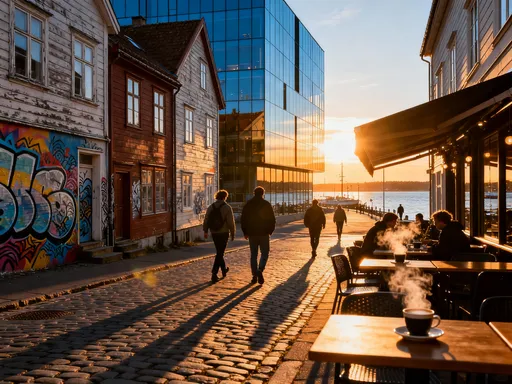
Stavanger isn’t just Norway’s oil capital—it’s a living canvas where old meets new in the most unexpected ways. Walking its streets, I was struck by how history breathes through modern life: cobblestone alleys lead to street art explosions, and quiet wooden houses frame dazzling contemporary architecture. This city doesn’t just preserve culture—it lives it. If you're looking for a place where tradition and innovation dance together, Stavanger’s cityscape will leave you speechless.
The Heartbeat of a Historic Town
At the core of Stavanger’s cultural identity lies Gamle Stavanger, a remarkably preserved district of whitewashed wooden houses dating back to the 18th and 19th centuries. With over 170 buildings, this neighborhood stands as one of Northern Europe’s most intact wooden house settlements, offering a rare glimpse into Norway’s domestic past. Walking through its narrow, winding lanes feels like stepping into a carefully kept photograph—each house with its flower boxes, painted shutters, and weathered doors tells a quiet story of generations past. Yet, this is not a museum frozen in time. Residents live here, children play near garden gates, and neighbors exchange greetings in the soft morning light. The preservation of Gamle Stavanger is not merely an act of nostalgia; it is a commitment to cultural continuity, ensuring that the city’s roots remain visible and accessible.
What makes this area so special is its authenticity. Unlike reconstructed heritage zones found in other cities, Gamle Stavanger evolved organically and continues to do so. Restoration efforts follow strict guidelines to maintain historical accuracy, from the type of paint used to the materials in roofing and window frames. Local authorities and heritage organizations work closely with homeowners to balance modern living needs with preservation standards. This careful stewardship has earned the district national recognition and international admiration. For visitors, a stroll through Gamle Stavanger offers more than scenic charm—it provides insight into Norwegian values of simplicity, craftsmanship, and respect for nature. The wooden homes, built from local timber, reflect a deep connection to the surrounding forests and fjords, reinforcing how environment shapes culture.
For families and travelers seeking meaningful experiences, Gamle Stavanger offers a peaceful retreat from the pace of modern urban life. Benches tucked between houses invite quiet reflection, while small gardens burst with seasonal blooms. Interpretive signs share stories of past residents, their trades, and daily routines, making history tangible. It’s common to see grandparents pointing out details to grandchildren, passing down local knowledge in the same way it has been for decades. This intergenerational exchange is part of what keeps the neighborhood alive. In a world where historic districts often become tourist commodities, Gamle Stavanger remains a lived-in community, a testament to how heritage can thrive when it’s woven into the fabric of everyday life.
Street Art That Speaks Volumes
Just a short walk from the quiet lanes of Gamle Stavanger, the city transforms into a bold, open-air gallery. Stavanger’s street art scene is one of the most dynamic in Scandinavia, largely thanks to the annual Nuart Festival, which has been bringing international artists to the city since 2001. What began as a small urban art project has grown into a globally recognized event, drawing muralists, photographers, and performance artists from across the world. The festival’s mission goes beyond beautification—it aims to provoke thought, spark dialogue, and reclaim underused urban spaces. As a result, blank walls, alleyways, and industrial buildings have become canvases for powerful visual storytelling.
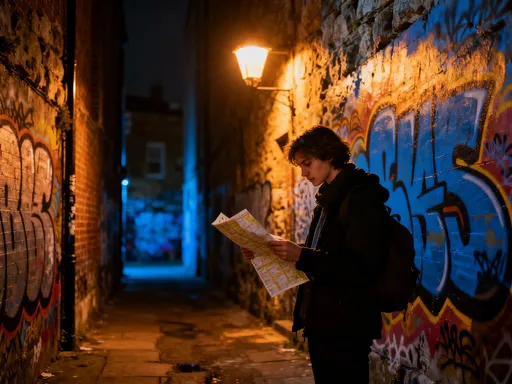
Areas like Øvre Holmegate and Sømestad have become hotspots for artistic expression. One moment you’re walking down an ordinary street, and the next, you’re face to face with a towering mural of a child holding a key made of light, or a surreal portrait that seems to follow you with its eyes. These works are not random decorations; they often address themes like climate change, identity, migration, and social connection. The art invites viewers to pause, reflect, and engage—transforming passive observation into active participation. Local residents have embraced this cultural shift, with many property owners volunteering their walls for new pieces each year. This collaboration between artists and the community ensures that the art remains relevant and rooted in local context.
The impact of street art on Stavanger’s urban experience is profound. Once-overlooked corners of the city now draw curious visitors armed with cameras and maps. Guided walking tours led by art historians and festival organizers provide deeper understanding of the techniques and messages behind the murals. Children point excitedly at colorful characters, while adults discuss the symbolism with newfound interest. This fusion of art and architecture has revitalized neighborhoods, making them safer, more vibrant, and more inclusive. It also reflects a broader cultural attitude in Norway—one that values creativity, free expression, and the democratization of art. In Stavanger, culture isn’t confined to galleries or theaters; it spills onto the streets, where everyone, regardless of background, can access and enjoy it.
Modern Architecture Meets Natural Light
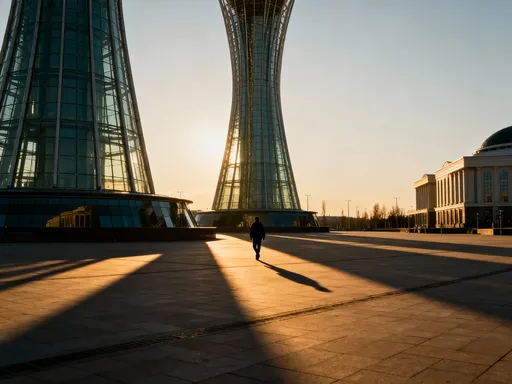
Stavanger’s skyline tells a story of thoughtful design and environmental harmony. While the city honors its past, it does not shy away from the future. Contemporary buildings like the DNB Arena and the Stavanger Concert Hall showcase Scandinavian architectural principles—clean lines, functional layouts, and a deep respect for natural light. These structures are not just visually striking; they are carefully engineered to respond to Norway’s unique light conditions. During the long summer days, when sunlight lingers well into the evening, glass facades reflect the sky in soft gradients of blue and gold. In winter, when daylight is scarce, interior lighting is designed to create warmth and continuity, ensuring that public spaces remain inviting even in the darkest months.
The Stavanger Concert Hall, with its curved wooden panels and expansive windows, exemplifies this balance between form and function. Inside, acoustics are meticulously calibrated for orchestral performances, while the exterior blends seamlessly with the harbor landscape. The building’s orientation maximizes natural light, reducing energy consumption and enhancing the visitor experience. Similarly, the DNB Arena, a modern office complex, features energy-efficient materials and smart climate control systems, reflecting Norway’s leadership in sustainable urban development. These buildings are more than workplaces or performance venues—they are statements of cultural values: transparency, efficiency, and respect for nature.
What stands out is how these modern structures coexist with historic neighborhoods without overpowering them. Urban planners have ensured that new developments respect the city’s human scale, avoiding towering skyscrapers that might disrupt the skyline. Instead, architecture in Stavanger feels integrated, as if each new building has been carefully placed to complement its surroundings. This approach fosters a sense of continuity rather than contrast. For residents, especially families, this means living in a city that feels both progressive and grounded. Children grow up surrounded by beauty and innovation, learning that progress does not require erasing the past. In Stavanger, the future is designed with care, light, and a deep understanding of place.
Cultural Hubs That Bring People Together
Beyond its streets and buildings, Stavanger’s cultural life thrives in its institutions. The Norwegian Petroleum Museum, with its distinctive offshore platform-inspired design, is more than a tribute to the oil industry—it’s a narrative space that explores how energy has shaped the nation’s economy, environment, and identity. Interactive exhibits allow visitors to simulate drilling operations, explore underwater robotics, and learn about renewable energy transitions. For families, it’s an engaging way to discuss complex topics like sustainability and innovation. The museum doesn’t glorify industry; it presents it with honesty, acknowledging both achievements and challenges, making it a place of learning rather than propaganda.
Equally important is the Stavanger Museum, one of Norway’s oldest cultural institutions. Housed in a neoclassical building surrounded by botanical gardens, it traces the region’s history from Viking settlements to modern times. Exhibits include archaeological finds, traditional clothing, and artifacts from early fishing and farming communities. What makes the museum stand out is its accessibility. Labels are clear and multilingual, touchscreens offer additional context, and guided tours are available for all age groups. Temporary exhibitions often focus on social themes—such as women’s roles in coastal communities or the evolution of family life—resonating deeply with adult visitors, particularly women aged 30 to 55 who appreciate stories of everyday resilience and heritage.
These institutions serve as more than repositories of the past—they are living spaces where culture is shared and reinterpreted. Lectures, workshops, and family days encourage participation, turning passive observation into active engagement. School groups fill the halls on weekdays, while weekends see couples and multigenerational families exploring together. The museums’ locations—within walking distance of the city center and harbor—make them easy to include in a day’s outing. They are not isolated landmarks but integrated parts of urban life, reinforcing how culture in Stavanger is not something to be observed from afar, but experienced up close, with curiosity and connection.
Everyday Life as Cultural Expression
In Stavanger, culture is not reserved for special occasions—it unfolds in the rhythm of daily life. The harbor promenade, known as Vågen, is a perfect example. Each morning, locals walk their dogs, jog, or simply pause to watch the boats bob in the water. Fishermen unload their catch at the dock, while nearby, the Torget Market buzzes with activity. Stalls overflow with fresh seafood, seasonal vegetables, handmade cheeses, and local crafts. The air carries the scent of baking bread and grilled mackerel, mingling with the crisp sea breeze. This is not a staged tourist market; it’s a vital part of community life, where people gather not just to shop, but to connect.
Café culture is another cornerstone of Stavanger’s social fabric. Cozy coffee shops line the streets, many with outdoor seating where friends meet over lattes and pastries. Norwegians have a deep appreciation for “kos,” a concept that translates to warmth, comfort, and togetherness. It’s visible in the way people linger over coffee, in the soft lighting of interiors, and in the care taken in presentation—both of food and space. Bakeries display cinnamon buns and cardamom rolls with pride, recipes passed down through generations. For visiting families, these moments offer a taste of Norwegian domestic life, intimate and unpretentious.
Public spaces are designed to encourage such interactions. Wide sidewalks, well-maintained parks, and pedestrian-friendly zones make it easy to move through the city on foot or by bicycle. Playgrounds are integrated into green areas, allowing parents to relax while children play. Even in winter, the city remains accessible, with heated bus stops and cleared pathways. This attention to livability reflects a cultural priority: quality of life is not a luxury, but a right. In Stavanger, urban planning supports well-being, ensuring that people of all ages and backgrounds can participate in the life of the city. It’s a place where culture isn’t performed—it’s lived, one conversation, one shared meal, one morning walk at a time.
Seasonal Rhythms That Shape the City
Stavanger’s culture is deeply attuned to the seasons, and the city transforms its rhythm with the turning year. In summer, when daylight stretches beyond 10 p.m., public spaces come alive. Outdoor concerts fill the air with music, from classical ensembles at the cathedral to jazz bands at the harbor. The city hosts festivals celebrating food, film, and folk traditions, drawing both locals and visitors into shared celebration. Open-air cinema on the waterfront allows families to watch films under the stars, blankets spread on the grass. These events are not commercial spectacles—they are community-driven, often organized by local associations and supported by the municipality.
As autumn arrives, the mood shifts. Trees turn gold and red, and the air grows crisp. Farmers’ markets overflow with apples, pumpkins, and root vegetables. Cafés introduce seasonal menus featuring warm soups and spiced drinks. The city prepares for the darker months with care. Street lighting is adjusted to mimic natural dawn and dusk, helping residents manage the shorter days. Indoor cultural events take center stage—exhibitions, theater performances, and craft fairs offer warmth and inspiration. Libraries and community centers host reading groups and workshops, fostering connection during the quieter season.
Winter in Stavanger is not a time of hibernation, but of cozy vitality. Homes and shops glow with candlelight, creating a sense of intimacy and safety. Bakeries remain busy, their windows fogged with warmth. The city hosts Christmas markets with wooden stalls selling handmade ornaments, woolen mittens, and hot chocolate. Children write letters to Santa at post office events, and families attend candlelight church services. These traditions, rooted in Norwegian customs, are not performed for tourists—they are lived with sincerity. Urban planning supports this seasonal flow, with covered walkways, indoor play areas, and well-lit public transport. Stavanger’s ability to adapt to nature’s cycles reflects a deeper cultural wisdom: life is not about resisting change, but moving with it, finding beauty in every season.
Why Stavanger’s Urban Soul Stands Out
Among Nordic cities, Stavanger occupies a unique space. It is neither as large as Oslo nor as remote as Tromsø, but it carries the warmth of a small town with the cultural depth of a major urban center. Its charm lies in balance—between preservation and innovation, intimacy and ambition, tradition and modernity. Unlike cities that sacrifice character for development, Stavanger has chosen integration. Historic homes stand beside contemporary galleries, fish markets neighbor tech startups, and quiet gardens are just steps from bustling plazas. This harmony is not accidental; it is the result of thoughtful planning, community involvement, and a shared vision for what a city can be.
What sets Stavanger apart is its human scale. Buildings are designed to be lived in, not just admired. Public spaces prioritize people over vehicles. Cultural institutions are accessible, not exclusive. This creates a sense of belonging—visitors feel welcome, residents feel seen. For women in their 30s to 50s, many of whom value connection, safety, and authenticity, Stavanger offers a refreshing alternative to impersonal megacities. Here, culture is not something distant or elite; it is woven into the everyday. A child’s drawing on a café napkin, a grandmother’s recipe shared at the market, a mural that sparks a conversation—these are the threads that make the city’s cultural fabric rich and resilient.
Stavanger also demonstrates that economic success and cultural vitality are not mutually exclusive. As a hub for energy and innovation, it could have become a sterile corporate center. Instead, it has used its prosperity to invest in public life—art, education, green spaces, and community programs. This commitment ensures that growth benefits everyone, not just a select few. In doing so, Stavanger offers a model for urban development that other cities might learn from: progress does not require erasure. The past and future can coexist, not in tension, but in dialogue.
Stavanger proves that culture isn’t locked in museums—it pulses through streets, buildings, and daily life. Its cityscape tells a story of resilience, creativity, and harmony, inviting everyone to walk its paths and feel part of something real. In a world chasing the new, Stavanger reminds us that the future can honor the past—and still shine brightly.