You Won’t Believe How Different Astana’s Districts Feel — I Explored Them All
Astana isn’t just Kazakhstan’s capital — it’s a city of contrasts, where futuristic skyscrapers stand beside quiet residential zones and cultural enclaves. I walked through its districts, and each one told a different story. From the bold architecture of the center to the local vibe in the outskirts, exploring them revealed the soul of a city reinventing itself. If you're planning to visit, understanding these neighborhoods is key to truly experiencing Astana.
The Heart of the Future: Exploring the Central Government District
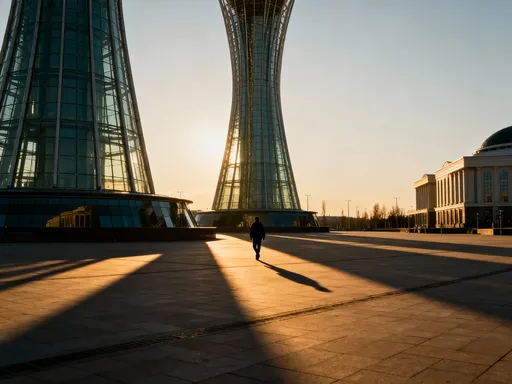
The Central Government District of Astana is where vision becomes visible. This is the city’s architectural manifesto, laid bare in steel, glass, and sweeping curves. As I stepped onto Nur-Sultan Avenue — a grand boulevard lined with reflective towers and symmetrical landscaping — I felt as though I had entered a blueprint for the 21st century. This district was purpose-built to symbolize Kazakhstan’s modern identity, and it does so with unapologetic confidence. The Bayterek Tower rises like a golden hand reaching for the sky, its orb-shaped observation deck offering panoramic views of a city designed to impress. Nearby, the Presidential Palace stands with classical dignity, its columns and domes blending neoclassical grandeur with Central Asian motifs. These structures are not just functional; they are statements — about sovereignty, progress, and national pride.
Walking through this area, I noticed how space is used deliberately. Vast open plazas, such as Independence Square, create room for both ceremony and contemplation. In the morning, families take photos beneath the golden handprint at the base of Bayterek, believed to bring good fortune. By afternoon, the heat bounces off marble surfaces, making shaded walkways essential. I recommend visiting early in the day, ideally between 8 and 10 a.m., when the light enhances the city’s sleek lines without the harsh glare. Comfortable shoes are a must, as distances between landmarks can be deceptively long. Public transport options include the Astana Light Rail, which stops near key sites, or city buses that run frequently along the main arteries.
What struck me most was how this district balances monumentality with accessibility. Despite its grand scale, it doesn’t feel unwelcoming. Locals jog along the promenades, children play near fountains, and tour groups gather for guided walks. Informational plaques in Kazakh, Russian, and English provide historical context, helping visitors understand the symbolism behind the architecture. For example, the design of the Bayterek Tower is inspired by a Kazakh legend about the Tree of Life and the mythical bird Samruk. This integration of myth and modernity gives the area depth beyond its visual spectacle. Whether you're drawn to urban planning, national identity, or simply stunning photo opportunities, the Central Government District offers a powerful introduction to Astana’s ambitions.
Nur-Astana and the Spiritual Quarter: Where Faith Meets Modernity
Just a short walk from the high-tech core lies a space of quiet reverence — the Nur-Astana Mosque and its surrounding spiritual complex. As one of the largest mosques in Central Asia, it stands as a testament to Kazakhstan’s commitment to religious tolerance and cultural heritage. Unlike many religious sites tucked into historic quarters, this mosque is integrated into the modern cityscape, its white domes and slender minarets rising with elegant simplicity against the sky. The contrast is striking: just minutes from glass towers and digital billboards, visitors find themselves in a place of stillness, where the call to prayer echoes across manicured gardens.
I visited during late afternoon, when the sun cast soft shadows across the marble courtyard. The atmosphere was serene, with families sitting on benches, couples strolling along tree-lined paths, and worshippers entering and exiting the prayer halls. Non-Muslim visitors are welcome, provided they dress modestly — women are given light blue scarves at the entrance if needed, and all guests must remove their shoes before stepping onto the carpeted floors. Inside, the main prayer hall is vast and luminous, with intricate geometric patterns adorning the walls and a massive chandelier hanging from the ceiling. Natural light filters through stained glass, casting colorful reflections that shift with the time of day.
What makes this area truly special is how seamlessly faith coexists with public life. The complex includes a madrasa, a library, and exhibition spaces that host cultural events open to all. On weekends, educational programs introduce children to Islamic art and calligraphy, while temporary exhibits explore themes of interfaith dialogue and peace. I spoke briefly with a local guide who emphasized that the mosque was designed not only for worship but also for community building. “It’s a place where people learn, reflect, and connect,” he said. For travelers seeking more than sightseeing, this quarter offers a chance to experience the spiritual heartbeat of the city — one that pulses gently beneath its futuristic surface.
Old Astana: The Soviet-Era Neighborhoods That Still Pulse
Before it became a global symbol of reinvention, Astana was a modest administrative center known as Akmola. Traces of that past remain in the older residential districts, where five-story concrete apartment blocks line tree-shaded streets. These neighborhoods — including areas like Ak Orda and Karasai Batyr — offer a grounded counterpoint to the city’s glossy center. Here, life unfolds at a different pace. Laundry flutters from balconies, elderly residents sip tea in courtyard chairs, and small grocery kiosks sell bread, milk, and seasonal fruit. It’s not the Astana featured in travel brochures, but it’s the one where most people live.
Walking through these streets, I noticed the enduring logic of Soviet urban planning: functional, uniform, and community-oriented. Wide sidewalks encourage walking, and green spaces are integrated throughout. Children play in simple playgrounds, often surrounded by flower beds tended by local volunteers. Weekly bazaars bring bursts of color and energy, with vendors selling homemade jams, dried herbs, and hand-knitted woolens. One Saturday morning, I followed the scent of sizzling meat to a small food stall where an elderly woman served manty — steamed dumplings filled with spiced lamb — from a portable stove. A plate cost less than two dollars, and every bite tasted of home.
These neighborhoods are changing, but slowly. Some buildings have been renovated with fresh paint and modern windows, while others retain their original facade. New convenience stores and ATMs have appeared, yet many residents still rely on neighborhood shops and face-to-face interactions. Public transportation remains reliable, with buses connecting these areas to the city center every 15 to 20 minutes. What impressed me most was the sense of continuity — how generations live side by side, preserving traditions while adapting to new realities. For visitors, exploring Old Astana is not about grand sights but about human connection. It’s a reminder that behind every futuristic skyline, there is a deeper, quieter story of everyday resilience.
The Diplomatic Enclave: Quiet Luxury and International Flair
North of the city center lies the Diplomatic Enclave, a carefully planned district housing embassies, international organizations, and expatriate families. Unlike tourist zones, this area doesn’t advertise itself. There are no souvenir stands or loud restaurants — just tree-lined avenues, secure compounds, and understated elegance. The architecture reflects a blend of global styles: some embassies feature minimalist modern designs, while others incorporate national elements, such as Scandinavian woodwork or Middle Eastern arches. Security is visible but unobtrusive, with guarded gates and surveillance systems ensuring safety without creating a fortress-like feel.
What makes this district unique is its atmosphere of calm sophistication. Streets are impeccably maintained, with seasonal flowers planted in neat borders and benches placed at regular intervals. International schools serve the children of diplomats and foreign professionals, offering curricula in English, French, and German. Nearby, small cafes cater to a discerning clientele, serving high-quality coffee, fresh pastries, and light lunches. One afternoon, I stopped at a quiet café near the Canadian Embassy, where a group of women met for weekly conversation practice in English. The menu included avocado toast, matcha lattes, and gluten-free options — a clear sign of its cosmopolitan crowd.
While not a destination for typical tourism, walking through the Diplomatic Enclave offers insight into Astana’s role on the world stage. It’s a place where cultures intersect quietly, where children grow up speaking multiple languages, and where global cooperation takes physical form. For visitors interested in urban design or international relations, the area is worth a stroll — not to take pictures, but to absorb its atmosphere. There are no official tours, but the public sidewalks are open, allowing respectful observation. Just remember to avoid lingering near embassy entrances or taking photos of security personnel. This is a space of diplomacy, not spectacle, and it deserves quiet appreciation.
Entertainment Island: Culture, Leisure, and the Khan Shatyr Experience
Stretching along the Ishim River, Entertainment Island is Astana’s vibrant answer to urban leisure. At its heart stands the Khan Shatyr, a colossal tent-like structure designed by architect Norman Foster. From a distance, it looks like a futuristic sail caught in an eternal breeze. Up close, its translucent ETFE membrane glows in sunlight, revealing the bustling activity within. This isn’t just a mall — it’s a climate-controlled microcity, where temperature stays at a comfortable 20–25°C year-round, even when winter outside plunges to -30°C. Inside, a tropical indoor beach, complete with sand and palm trees, invites families to play and relax. Cafés, boutiques, and a supermarket line the upper levels, while a children’s play zone keeps younger visitors entertained for hours.
I spent a full afternoon exploring every level. The ground floor hosts a food court with diverse options — from Kazakh plov to Italian pizza — making it easy to sample flavors without leaving the complex. On weekends, live music performances add to the festive mood. Just outside, the Duman Entertainment Center draws crowds with its oceanarium, one of the few in Central Asia. Children press their hands against glass tanks watching sharks glide past, while educational displays explain marine conservation. Nearby, the Pyramid of Peace and Reconciliation — a striking silver-triangle building — houses a concert hall and museum exhibits on global harmony.
For families, this area is a goldmine. The combination of indoor climate control, safety, and variety makes it ideal for rainy or freezing days. I recommend arriving early, especially on weekends, to avoid long lines at popular attractions. Tickets for the oceanarium and observation decks can be purchased online or at the entrance. While some critics call the area overly commercial, I found it well-executed and genuinely useful for residents and tourists alike. It’s not about authenticity in the traditional sense, but about creating accessible, enjoyable spaces in a city where extreme weather can limit outdoor life for much of the year. In that sense, Entertainment Island isn’t just fun — it’s functional urban innovation.
Northern Residential Zones: Everyday Life Beyond the Spotlight
Few tourists venture into Astana’s northern residential zones, yet these neighborhoods represent the reality for thousands of families. Modern high-rise apartment buildings dominate, their facades painted in soft blues, grays, and beiges. Balconies are often enclosed, a practical response to the long winters, and ground floors frequently house small businesses — pharmacies, hair salons, and corner stores. Playgrounds are abundant, equipped with swings, climbing frames, and rubberized flooring for safety. Parks are thoughtfully designed, with walking paths, exercise stations, and benches positioned to catch the sun.
What stands out is the emphasis on livability. Unlike the monumental center, these areas are built for people, not postcards. Public transport is efficient, with bus and light rail stops within a 10-minute walk of most homes. Bike lanes are being added, though usage remains low due to weather constraints. During my visit in spring, I saw residents planting flowers in communal gardens, a city-supported initiative to increase green space. Local schools and clinics are well-maintained, and security cameras and patrol officers contribute to a sense of safety.
Life here moves at a steady rhythm. In the mornings, parents walk children to school; in the evenings, couples take evening strolls or jog along illuminated paths. Weekend markets offer fresh produce, dairy, and baked goods, often sourced from nearby villages. While the architecture lacks the drama of the city center, it reflects a growing attention to quality of life. For urban planners, these zones demonstrate how Astana is evolving beyond symbolism into sustainable daily living. For visitors, they offer a chance to see how ordinary citizens navigate the city — not as spectators, but as participants in its ongoing transformation.
Emerging Edges: New Developments and the City’s Expanding Vision
Astana is not finished growing. On its southeastern and western fringes, new districts are rising with a focus on sustainability, technology, and mixed-use design. These developments reflect the government’s long-term urban strategy: to create self-sufficient communities where people can live, work, and recreate without long commutes. One such project, the Astana Hub International Technology Park, combines office spaces for startups with residential units and green corridors. Solar panels, energy-efficient buildings, and smart waste systems are standard features. While still in early phases, these areas aim to attract young professionals and entrepreneurs, positioning Astana as a forward-thinking capital in Central Asia.
I toured a model neighborhood under construction, where architects and city planners are testing innovative materials and layouts. Buildings are oriented to maximize sunlight in winter, and rainwater collection systems are integrated into the infrastructure. Public spaces are designed to encourage interaction — plazas, community centers, and even urban farms are part of the plan. Transportation networks are being extended, with new light rail lines and electric bus routes mapped out. These developments are not just about physical expansion but about redefining what a modern city should be: efficient, inclusive, and environmentally responsible.
Challenges remain. Infrastructure must keep pace with population growth, and affordability is a concern as property values rise. Yet the direction is clear: Astana is moving from symbolic transformation to practical, long-term urban development. These emerging edges may not yet have the polish of the center, but they hold the promise of a more balanced, livable city. For those interested in the future of urban planning, they are worth watching — not as finished products, but as living experiments in progress.
Astana’s districts aren’t just geographic zones — they’re chapters in a story of transformation. Together, they create a mosaic of tradition, ambition, and daily life. To truly know the city, you have to move beyond the skyline and explore each one. Whether you're drawn to architecture, culture, or just curious about urban life, Astana rewards the curious traveler. Go beyond the guidebooks — walk, observe, and let the city surprise you.