Lost in the Labyrinth of Crete’s Soul
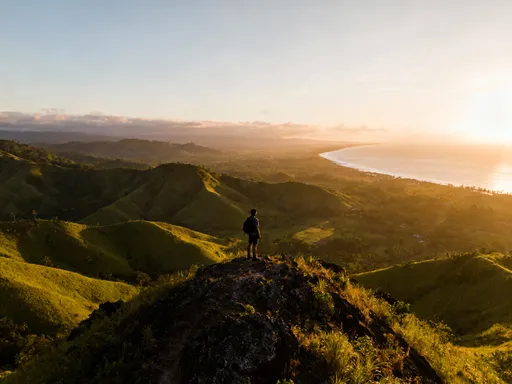
Crete isn’t just Greece’s largest island—it’s a living mosaic of myth, mountains, and untouched villages. I went searching for its essence and found myself immersed in distinct worlds: Minoan ruins whispering ancient secrets, highland plateaus where time stands still, and coastal coves glowing like liquid sapphire. This isn’t a checklist trip. It’s about diving deep into Crete’s theme areas—culture, nature, history, and authenticity—where every path tells a story. You don’t just visit Crete. You feel it.
Beyond Beaches: Discovering Crete’s True Identity
While many travelers are drawn to Crete for its sun-kissed shores and turquoise waters, the island’s true character unfolds far from the coastline. Beyond the well-trodden sands lies a layered landscape of tradition, resilience, and quiet beauty. Crete’s identity cannot be reduced to postcard views—it is rooted in its people, its history, and the rhythms of daily life that have persisted for centuries. To understand the island fully, one must explore its theme areas: regions defined not only by geography but by cultural heritage, historical significance, and lived experience. These zones offer a more meaningful way to engage with Crete, moving beyond surface-level tourism into deeper connection.
The coastal resorts of Malia or Agios Nikolaos serve their purpose, offering comfort and convenience. Yet they represent only a fraction of what Crete offers. Inland, the terrain rises sharply into rugged mountains and fertile plateaus where villages like Anogeia, Asfondou, and Kritsa preserve dialects, dances, and customs passed down through generations. Here, life moves at a different pace—measured by the turning of seasons, the harvest of olives, and the ringing of church bells on Sunday mornings. Travelers who venture into these areas often speak of a shift in perspective, as if stepping into a world where authenticity is not performed but simply lived.
One of the most rewarding aspects of exploring Crete’s interior is encountering its people. In village squares, elders gather in the shade of plane trees, sipping coffee and exchanging stories in Cretan Greek, a dialect rich with ancient inflections. Women knead dough in open doorways, while children chase goats down narrow stone alleys. These moments are not staged for tourists; they are the fabric of everyday life. Participating in a local panigiri (festival), sharing a glass of raki after a meal, or accepting an invitation to taste homemade tsikoudia—these are the experiences that transform a visit into a memory.
What makes these theme areas so compelling is their coherence. Each region tells a consistent story—whether it’s the Minoan legacy in Heraklion, the pastoral traditions of the Lasithi Plateau, or the maritime history of Chania’s old harbor. By focusing on these narratives, travelers can build a richer, more nuanced understanding of Crete. Rather than rushing from one landmark to another, they begin to see patterns—how the land shapes the food, how history influences music, how isolation preserves culture. This kind of travel rewards patience and curiosity, inviting a slower, more intentional way of moving through the world.
The Minoan Heartland: Where Myth Meets Stone
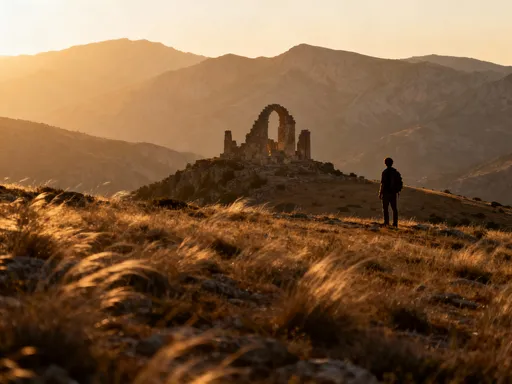
At the heart of Crete’s historical identity lies the Minoan civilization—the first advanced society in Europe, flourishing over 4,000 years ago. Centered around the city of Knossos near modern-day Heraklion, this ancient culture left behind a legacy of architectural ingenuity, artistic sophistication, and spiritual complexity. The sprawling palace complex at Knossos is not merely a collection of ruins; it is a portal into a world where myth and reality intertwine. According to legend, it was here that King Minos ruled, where the labyrinth housed the Minotaur, and where the hero Theseus found his way with the help of Ariadne’s thread. While the truth behind these tales may never be fully known, the archaeological evidence confirms that this was a center of power, trade, and ritual.
The site itself is remarkable for its scale and design. Spanning over 20,000 square meters, the palace featured multiple stories, intricate drainage systems, and light wells that brought natural illumination deep into its chambers. Its layout—seemingly chaotic yet carefully planned—suggests a society comfortable with complexity. Rooms open onto courtyards, staircases lead to unexpected terraces, and storage magazines once held vast quantities of olive oil, wine, and grain, indicating a highly organized economy. The frescoes that once adorned its walls—depicting bull-leaping, marine life, and courtly processions—hint at a culture that valued movement, nature, and ceremony.
Equally important is the Heraklion Archaeological Museum, which houses the finest collection of Minoan artifacts in the world. Among its treasures are the iconic Snake Goddess figurines—terracotta statues of women holding serpents, believed to represent priestesses or deities associated with fertility and protection. Other highlights include gold jewelry, ceremonial axes, and intricately painted pottery that reveal the Minoans’ advanced craftsmanship and symbolic imagination. The museum provides essential context for understanding what visitors see at Knossos, transforming stone foundations into living history.
For travelers, visiting Knossos requires thoughtful planning. The site can become crowded, especially during peak summer months, so arriving early in the morning or later in the afternoon helps avoid the busiest times. A guided tour, led by a licensed archaeologist or certified guide, significantly enhances the experience. Guides can explain the significance of architectural features, interpret fresco fragments, and clarify which reconstructions are based on evidence versus educated guesswork—such as Sir Arthur Evans’s controversial use of concrete columns to restore parts of the palace in the early 20th century.
Beyond Knossos, other Minoan sites like Phaistos, Malia, and Zakros offer quieter but equally fascinating glimpses into this ancient world. Phaistos, located in the south, features a well-preserved palace set against the dramatic backdrop of the Messara Plain. Its famous disk—inscribed with undeciphered symbols—remains one of archaeology’s enduring mysteries. These satellite sites allow travelers to appreciate the extent of Minoan influence across the island, reinforcing the idea that Crete was not just a single city-state but a network of interconnected centers.
High Altitude Living: The Mountain Realms of Lasithi and Anogeia
Ascend into Crete’s interior, and the world changes. The coastal humidity gives way to crisp mountain air, the scent of thyme and sage perfumes the breeze, and the landscape unfolds in terraced slopes, deep gorges, and high plateaus. This is the domain of the Cretan highlands—remote, rugged, and deeply rooted in tradition. Two regions stand out for their cultural and natural significance: the Lasithi Plateau and the village of Anogeia, nestled in the shadow of Mount Ida, Crete’s highest peak. Here, life follows ancient rhythms shaped by agriculture, animal husbandry, and communal resilience.
The Lasithi Plateau, perched at about 850 meters above sea level, is instantly recognizable by its dozens of white windmills scattered across the valley floor. Once used to pump water for irrigation, these iconic structures now serve as symbols of a bygone era, though many have been restored and maintained with pride. The plateau is surrounded by steep limestone cliffs, creating a sense of enclosure and tranquility. In spring, the fields burst with poppies and wildflowers; in summer, farmers harvest potatoes, grains, and vegetables that thrive in the cool climate. Villages like Tzermiado, Psychro, and Kato Zakros maintain a quiet dignity, their stone houses blending seamlessly into the landscape.
One of the most profound experiences in this region is visiting the Dikteon Cave, believed by many to be the birthplace of Zeus. Located on the slopes of Mount Dikti, the cave is both a geological wonder and a site of spiritual significance. Ancient worshippers left offerings here for centuries, and the atmosphere inside—cool, dim, and echoing with dripping water—invites contemplation. Hiking trails lead to the cave from nearby villages, offering panoramic views of the surrounding mountains and a chance to walk through untouched terrain.
Further west, the village of Anogeia has long been known for its fierce independence and resistance to occupation, whether by Venetians, Ottomans, or Nazis during World War II. Its people, historically shepherds and musicians, take pride in their heritage. The sound of the Cretan lyra—a three-stringed instrument played with intense emotion—often drifts from open windows in the evenings. Visitors are welcomed with warmth, though always with a certain reserve that reflects the village’s history of self-reliance. Staying in a family-run guesthouse here allows for genuine interaction, perhaps even an impromptu music session over glasses of raki.
For hikers and nature lovers, the highlands offer some of Crete’s most rewarding trails. The E4 European long-distance path traverses the island from west to east, passing through mountain villages and remote valleys. Shorter routes, such as the descent from Mount Ida to the village of Nida, provide manageable day hikes with breathtaking views. Spring and autumn are ideal times to visit—summer days can be hot at lower elevations, but the altitude keeps temperatures pleasant. Winter brings snow to the peaks, transforming the landscape into a quiet, almost sacred space.
When traveling in these areas, cultural sensitivity is essential. Many villages observe religious customs closely, and visitors should dress modestly when entering churches or attending festivals. It is customary to accept an offer of hospitality—whether coffee, raki, or food—even if only briefly. These gestures are not mere formalities; they are expressions of philoxenia, the deeply held Greek value of hospitality to strangers. Respecting local rhythms—such as closing shops during midday or observing Sunday as a day of rest—enhances the authenticity of the experience.
Coastal Magic: The Hidden Coves and Historic Harbors
While the focus of this journey has been on Crete’s inland soul, its coastline remains an essential part of its identity—not for mass tourism, but for its hidden coves, historic ports, and maritime heritage. Unlike the crowded beaches of eastern resorts, many of Crete’s coastal areas remain secluded, accessible only by foot, boat, or unpaved roads. These spots offer not just beauty but context—each cove, harbor, and islet carries layers of history, from ancient shipwrecks to Venetian fortresses and pirate hideouts.
One such gem is Agios Pavlos, a crescent-shaped bay on the southwest coast, framed by red sandstone cliffs and dotted with tamarisk trees. The water shimmers in shades of emerald and sapphire, and the surrounding area is largely undeveloped. A short hike leads to the ruins of an early Christian basilica, a reminder that even remote places were once centers of community and worship. Because of its relative inaccessibility, the beach sees few visitors, making it ideal for those seeking solitude and natural beauty.
Further north, the old harbor of Chania tells a different story—one of trade, conquest, and cultural fusion. The Venetian lighthouse, the Ottoman-era mosques, and the narrow alleyways of the historic district reflect centuries of foreign influence. Yet Chania is not a museum piece; it is a living city where fishermen mend nets beside boutique cafes, and locals gather at waterfront tavernas for fresh seafood and conversation. The market of Halidon Street offers another dimension, where vendors sell everything from herbs and honey to hand-carved wooden spoons.
For those willing to venture further, boat trips to Gramvousa Peninsula and the Balos Lagoon reveal some of the island’s most dramatic scenery. Gramvousa, once a pirate stronghold, features a hilltop fortress with sweeping views of the Aegean. Balos, with its pink-tinged sands and shallow turquoise waters, feels almost tropical in contrast to the rest of Crete. Access is limited—either by a long drive followed by a steep walk or by seasonal ferry—ensuring that these places remain relatively unspoiled.
Sustainable travel practices are especially important along the coast. Swimmers should avoid anchoring boats on seagrass beds, which are vital marine habitats. Choosing family-owned tavernas over large chain restaurants supports local economies and ensures fresher, more authentic meals. Seafood lovers will appreciate dishes like grilled octopus, fried calamari, and stifado (a slow-cooked rabbit or hare stew), often prepared with ingredients caught or harvested that same day.
The coastal experience in Crete is not about sunbathing or water sports alone. It is about understanding how the sea has shaped the island’s culture—through trade, migration, defense, and sustenance. From the sponge divers of Loutro to the sponge fishermen of Elounda, the relationship between Cretans and the sea is deep and enduring. By exploring these maritime zones with care and curiosity, travelers connect with a vital thread in Crete’s story.
Culinary Crossroads: Tastes That Tell Stories
Food in Crete is not merely sustenance—it is memory, identity, and celebration. The Cretan diet, now recognized worldwide as a model of healthy eating, emerged from necessity and wisdom. With limited resources and a challenging climate, generations learned to make the most of what the land provided: wild greens, legumes, grains, dairy, and, above all, olive oil. Today, this culinary tradition remains alive, not in fancy restaurants but in village kitchens, family tables, and roadside kafeneia.
Each region of Crete has its own specialties, shaped by elevation, soil, and history. In the south, dakos—a barley rusk topped with tomato, mizithra cheese, and olive oil—is a staple, often served with a side of stamnagathi, a bitter green foraged from rocky slopes. In the mountains, kalitsounia, small pastries filled with herbs or sweet cheese, are baked during festivals and family gatherings. Along the coast, fresh fish, octopus, and shellfish dominate, often grilled simply with lemon and oregano.
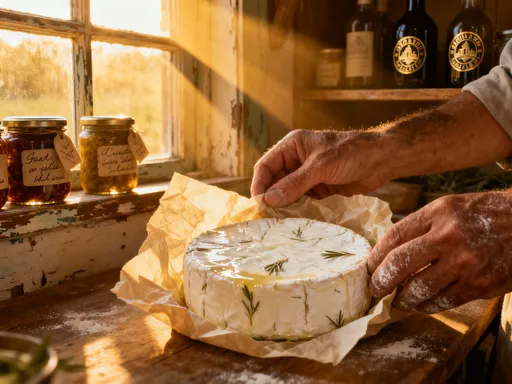
One of the most meaningful ways to experience Cretan cuisine is through direct engagement. Visiting a family-run olive grove in the hills near Rethymno offers insight into the labor behind the island’s liquid gold. Harvesting olives in November is a communal event—entire families gather to pick fruit by hand, singing and sharing meals under the trees. The oil produced is intensely flavored, with a peppery finish, and is used generously in every dish. Travelers who participate in such events often leave with bottles of freshly pressed oil and a deeper appreciation for its value.
Local markets are another gateway to culinary authenticity. The municipal market in Rethymno, open daily, is a sensory delight—pyramids of oranges, baskets of capers, jars of thyme honey, and wheels of graviera cheese fill the stalls. Vendors are happy to explain how to prepare certain dishes or recommend seasonal ingredients. Cooking classes, often hosted in village homes, allow visitors to learn techniques like kneading traditional bread, making yogurt from sheep’s milk, or preparing gamopilafo (wedding pilaf), a rich rice dish served at celebrations.
The Cretan approach to food is inherently sustainable. Meals are seasonal, locally sourced, and prepared with minimal waste. Leftovers become new dishes; vegetable scraps feed animals; herbs are dried for winter use. This slow food philosophy—long before the term existed—reflects a deep respect for nature and community. For travelers, embracing this mindset means eating with intention, savoring each bite, and understanding that every meal is part of a larger story.
Living Culture: Festivals, Music, and the Cretan Spirit
If history lives in Crete’s stones and food in its soil, its soul resides in its living traditions. Nowhere is this more evident than during a panigiri—a village festival held in honor of a patron saint. These events, occurring throughout the summer, transform quiet communities into vibrant centers of music, dance, and communal joy. As night falls, the village square fills with tables, candles flicker in the breeze, and the first notes of the lyra pierce the air. Locals, young and old, form circles and begin to dance, their steps precise, passionate, and full of pride.
The Cretan lyra, accompanied by laouto (a type of lute), produces a sound that is both mournful and exhilarating—a musical expression of the island’s history of struggle and resilience. The dances, such as the pentozali and sousta, are energetic and improvisational, with men often leaping high into the air in displays of strength and spirit. Visitors are usually welcomed into the circle, though it’s wise to observe first and follow the lead of others. Participation, even tentative, is seen as a sign of respect and goodwill.
These festivals are not performances for tourists. They are acts of devotion, remembrance, and community bonding. The church service earlier in the day is attended by most villagers, and the feast that follows includes lamb roasted over open flames, homemade wine, and sweets like mandolato (a nougat made with honey and almonds). The atmosphere is one of generosity and openness—strangers are offered food, drink, and conversation without hesitation.
Finding authentic panigiria requires some research. They are rarely advertised in tourist brochures, but local guesthouse owners, priests, or municipal offices often have information. Some well-known ones include the festival of Agios Minas in Heraklion, the feast of Panagia in Kritsa, and the celebration of Prophet Elias on mountaintop chapels. Attending one is not just entertainment; it is a rare opportunity to witness culture as it is lived, not packaged.
Music and dance are just one expression of the Cretan spirit—a blend of pride, independence, and deep hospitality. The people of Crete have endured invasions, occupations, and natural hardships, yet they maintain a fierce love for their land and traditions. This ethos, known as *andrevma*—a sense of courage and honor—is evident in the way they speak, work, and welcome guests. To travel in Crete is to be invited into this world, not as a spectator, but as a temporary member of the family.
Traveling Deep: How to Move Like a Local
The most transformative way to experience Crete is not by following a guidebook itinerary, but by adopting a different rhythm—one that aligns with the island’s natural and cultural pace. This begins with slowing down. Instead of trying to see everything in ten days, consider spending a week in one region, allowing time to form connections, revisit favorite spots, and stumble upon unexpected moments. Renting a car is essential for this kind of travel, as public transportation is limited, especially in the interior. A reliable vehicle opens up access to remote villages, mountain trails, and coastal coves that are otherwise difficult to reach.
Accommodation choices also shape the experience. While hotels have their place, staying in a family-run guesthouse or rural villa offers a more personal connection. Many of these lodgings are converted stone houses, restored with care and furnished with antiques and handwoven textiles. Hosts often share meals with guests, offer homemade preserves, or suggest hidden swimming spots known only to locals. These interactions, though brief, often become the most memorable parts of a trip.
Embracing spontaneity is another hallmark of local-style travel. Some of the best discoveries happen off-schedule: a chance invitation to a village wedding, a detour to a hilltop chapel, a conversation with an elderly woman selling herbs by the roadside. These unplanned moments cannot be booked or predicted, but they carry the essence of authentic travel. They require openness, patience, and a willingness to say yes to the unknown.
Sustainability is not an afterthought—it is a responsibility. Travelers can support the local economy by shopping at village markets, dining in family tavernas, and purchasing handmade crafts directly from artisans. Avoiding single-use plastics, respecting protected natural areas, and following marked trails help preserve Crete’s beauty for future generations. Most importantly, honoring sacred sites—whether churches, ruins, or natural springs—means observing silence, dressing modestly, and refraining from removing stones or artifacts.
Traveling like a local is not about imitation, but about alignment—moving with the island rather than through it. It means listening more than speaking, observing before acting, and valuing depth over breadth. When approached this way, Crete reveals itself not as a destination, but as a companion on a journey of discovery.
Why Crete Stays With You
Crete does not fade from memory. Its impact lingers—in the scent of wild thyme on a mountain path, the echo of lyra music in a village square, the taste of sun-ripened figs eaten under a grape arbor. This is not a place that impresses only through grandeur, but one that connects through depth. Its power lies not in how far you travel, but in how deeply you engage. By exploring its theme areas—historical, cultural, natural, and culinary—travelers do more than see the island. They become part of its ongoing story, even if only for a brief chapter.
The transformation is subtle but real. Visitors arrive seeking beauty and leave carrying wisdom—the quiet confidence of a culture that has endured, the simplicity of a meal made with care, the warmth of a welcome offered without condition. Crete teaches the value of slowness, the strength of community, and the beauty of resilience. It reminds us that the most meaningful journeys are not measured in miles, but in moments of connection.
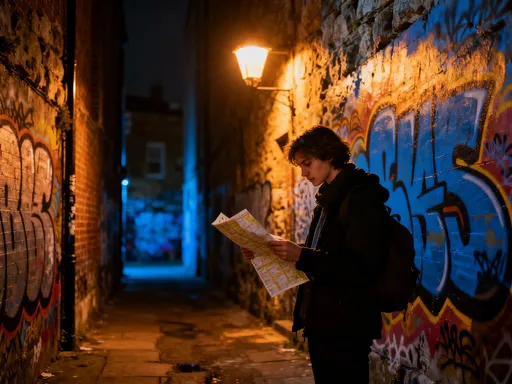
So let go of the checklist. Let the map blur a little. Allow yourself to get lost in the labyrinth—not to find an exit, but to discover what waits in the center. In Crete, that center is not a monster, but a mirror. And what you see there might just change the way you see the world.