This Road Trip to Denver Blew My Mind — Art, Culture, and Freedom on Four Wheels
You know that feeling when a city surprises you? Denver did exactly that. I hit the road with no plan, just music, miles, and a craving for something real. What I found wasn’t just galleries and museums — it was soul. From vibrant street murals to underground music scenes, every turn felt alive. This is more than a trip; it’s a vibe. Let me take you through the unexpected cultural heartbeat of Denver, one mile at a time.
Why Denver? The Unexpected Cultural Pulse
Denver is often celebrated for its proximity to the Rockies, its crisp mountain air, and its outdoor lifestyle. But beneath the surface of this sun-drenched city lies a cultural pulse that beats stronger and more creatively than many realize. Once a rugged frontier town serving gold rush prospectors and railroad workers, Denver has evolved into a dynamic urban center where art, history, and innovation converge. It's no longer just a gateway to nature — it's a destination in its own right, where creativity is stitched into the city’s identity.
What makes Denver particularly appealing for a cultural road trip is the freedom it offers. Unlike cities where public transit dominates or parking is a nightmare, Denver welcomes the self-drive traveler with open arms. This means you can explore not only the heart of its arts districts but also the quieter, lesser-known corners where local artists work, perform, and live. The city’s layout — compact yet expansive — allows for seamless transitions between urban energy and suburban charm, all within a day’s drive.
Two neighborhoods stand out as cultural anchors: RiNo (River North) and Santa Fe Drive. Both have transformed from industrial zones into thriving artistic corridors. RiNo, in particular, has earned national recognition for its explosive street art scene and creative entrepreneurship. Meanwhile, Santa Fe Drive carries a deeper historical resonance, once a segment of the famed Santa Fe Trail, now a corridor of multicultural expression and independent galleries. These areas are not just places to visit — they are invitations to engage, observe, and connect.
Denver’s cultural evolution didn’t happen overnight. It grew from grassroots efforts, community investment, and a city government that values public art. In fact, Denver’s public art program, established decades ago, requires that a percentage of capital improvement funds be allocated to art in public spaces. This policy has resulted in over 300 works of art across the city — from sculptures in parks to murals on alley walls. As a visitor, this means you don’t need to enter a museum to experience art. It’s already around you, part of the streetscape, waiting to be discovered.
The Open Road: Freedom to Discover at Your Own Pace
There’s a unique kind of freedom that comes with a self-drive journey — the ability to change course on a whim, to stop where no tour bus would dare, and to absorb a city at your own rhythm. When traveling to Denver with culture in mind, the open road becomes more than a path; it becomes a portal to authentic experiences. Whether you’re arriving from Boulder, Colorado Springs, or even farther afield, the drive itself sets the tone for discovery.
One of the most scenic routes into the city is the drive along the Front Range, where the Great Plains meet the towering peaks of the Rockies. As you approach Denver from the west, the city unfolds beneath a vast sky, framed by snow-capped mountains. This dramatic backdrop isn’t just a visual treat — it shapes the city’s artistic spirit. Many local artists cite the interplay of light, landscape, and altitude as inspiration for their work. Driving through this transition zone, you begin to understand how geography influences culture.
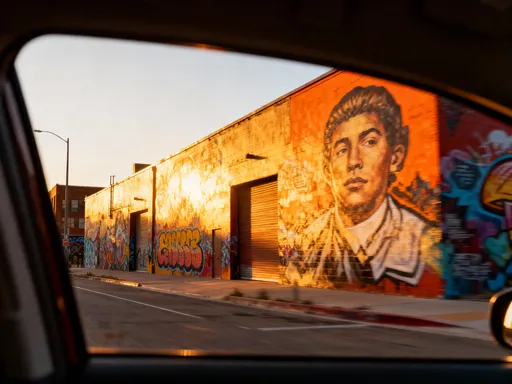
Once in the city, having your own vehicle allows you to explore beyond the downtown core. You can cruise through residential neighborhoods where murals cover garage doors, stop at pop-up art markets in repurposed warehouses, or visit small studios tucked behind coffee shops. Public transit may get you to major attractions, but only a car gives you access to the in-between spaces — the alleys, side streets, and industrial pockets where creativity thrives in relative obscurity.
Flexibility is another major advantage. Imagine starting your morning at a farmers’ market in LoDo (Lower Downtown), then driving to RiNo for an afternoon gallery crawl, and ending the evening at a live music venue in Capitol Hill — all without worrying about bus schedules or rideshare wait times. This kind of spontaneity enhances cultural immersion. You’re not just ticking off attractions; you’re living the rhythm of the city, moment by moment.
Moreover, self-driving supports deeper engagement with local communities. When you’re not rushed, you have time to chat with gallery owners, attend artist talks, or linger over coffee with a muralist. These small interactions, made possible by the autonomy of driving, often become the most memorable parts of a trip. They transform sightseeing into connection, and tourism into genuine cultural exchange.
RiNo: Where Walls Speak and Creativity Runs Wild
If Denver has a creative epicenter, it’s the River North Art District — affectionately known as RiNo. Once a cluster of warehouses and auto shops, this neighborhood has undergone a stunning transformation into one of the most vibrant arts districts in the American West. Today, RiNo is a living canvas, where every wall tells a story, every alley pulses with color, and creativity is not just displayed — it’s lived.
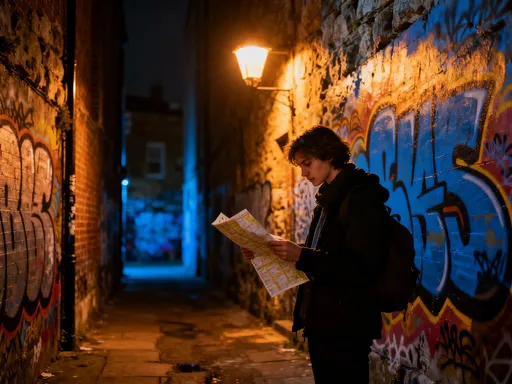
The most striking feature of RiNo is its street art. Dozens of large-scale murals cover buildings, bridges, and even parking lots. These aren’t random graffiti tags — they are commissioned works by local, national, and international artists, curated through programs like the Denver Urban Arts Fund. Themes range from abstract geometry to social commentary, from indigenous symbolism to playful pop culture references. Walking — or driving — through RiNo feels like moving through an open-air museum, where the exhibits are constantly evolving.
One of the best times to experience RiNo is during the First Friday Art Walk, held on the first Friday of every month from spring through fall. Galleries open their doors, studios welcome visitors, and the streets come alive with music, food trucks, and crowds. It’s a chance to meet artists, hear about their process, and even purchase original pieces. Many visitors time their road trip to coincide with this event, turning a weekend getaway into a full cultural immersion.
But RiNo isn’t just about visual art. The neighborhood is also a hub for craft beverages, with numerous breweries, distilleries, and coffee roasters integrated into the artistic fabric. Places like Great Divide Brewing Co. and Ratio Beerworks double as event spaces, hosting live painting sessions, poetry readings, and album releases. This fusion of art and industry reflects Denver’s broader ethos: creativity doesn’t exist in isolation — it thrives in community, conversation, and collaboration.
For road trippers, navigating RiNo is straightforward. Most galleries and murals are concentrated along Larimer Street and Walnut Street, with ample street parking and several public lots. While walking is ideal for exploring the core, having a car nearby allows you to extend your visit to nearby neighborhoods like Five Points or the Central Business District. A quick drive can take you from a mural tour to a historic jazz club or a tucked-away bookstore featuring local authors.
Beyond Murals: Museums That Surprise and Challenge
While street art defines much of Denver’s visual identity, the city’s indoor cultural institutions offer depth, context, and historical richness. These museums don’t just display art — they challenge perspectives, preserve heritage, and elevate Denver’s status as a serious cultural player.
The Denver Art Museum (DAM) is the crown jewel of the city’s museum scene. Its striking architecture — a fortress-like structure of angular sandstone designed by Italian architect Gio Ponti — stands as a work of art in itself. Inside, the collection spans continents and centuries, with particularly strong holdings in Indigenous art of North America, Spanish colonial works, and contemporary pieces. The museum’s commitment to Native voices is evident in its exhibitions, which are often co-curated with tribal communities, offering authentic narratives rather than outsider interpretations.
Visitors can easily spend half a day here, especially with the museum’s thematic galleries and rotating special exhibitions. For those interested in design, the DAM’s decorative arts collection includes everything from Art Nouveau glass to mid-century furniture. The museum also offers guided tours, audio guides, and family-friendly programs, making it accessible to a wide range of visitors. Tickets can be purchased online in advance, which is recommended during peak seasons like summer and holiday weekends.
Equally compelling is the Clyfford Still Museum, dedicated entirely to the abstract expressionist painter. Still, who lived in nearby Maryland but chose Denver as the home for his life’s work, left his entire estate to the city with the condition that it be displayed as a permanent collection. The result is a deeply personal and immersive experience — 825 paintings and 2,300 works on paper, shown in a serene, light-filled building designed specifically for his art. The museum’s quiet intensity offers a powerful contrast to the energy of RiNo, reminding visitors that art can be both explosive and meditative.
Another gem is the Kirkland Museum of Fine & Decorative Art, which celebrates the work of Denver-born artist Vance Kirkland alongside an extensive collection of 20th-century decorative arts. Housed in a beautifully restored historic building, the museum blends fine art with design, showcasing everything from mid-century textiles to handcrafted furniture. Its intimate scale allows for a more contemplative visit, ideal for those who appreciate craftsmanship and detail.
Together, these institutions provide a counterbalance to the spontaneity of street art. They offer context, history, and curation — the scaffolding that supports the city’s more freewheeling creative expressions. For road trippers, combining a morning at a museum with an afternoon exploring murals creates a well-rounded cultural itinerary.
Santa Fe Drive: A Cultural Corridor Steeped in History
If RiNo represents Denver’s contemporary edge, Santa Fe Drive embodies its historical soul. This stretch of road, once part of the legendary Santa Fe Trail that connected Missouri to New Mexico in the 19th century, has transformed into a corridor of artistic resilience and multicultural expression. Unlike the bustling energy of RiNo, Santa Fe Drive offers a more contemplative, community-driven arts experience — one rooted in heritage, storytelling, and social connection.
The arts district along Santa Fe Drive is home to dozens of galleries, studios, and performance spaces, many run by local artists and cultural organizations. Leon Gallery, for example, focuses on contemporary works by emerging and mid-career artists, often with a social or environmental theme. Singer Gallery, housed in a former church, hosts rotating exhibitions and community events, including artist talks and workshops. These spaces are not just venues — they are gathering places, where art fosters dialogue and belonging.
One of the highlights of the district is ArtNight Santa Fe, a monthly event similar to RiNo’s First Friday but with a more intimate, neighborhood feel. On designated evenings, galleries stay open late, live music fills the sidewalks, and food vendors offer local flavors. The pace is slower, the crowds smaller, allowing for more meaningful interactions. It’s not uncommon to find yourself discussing a painting with the artist or sharing a meal with a gallery owner.
The cultural influences along Santa Fe Drive are deeply multicultural, reflecting Denver’s diverse population. You’ll find exhibitions inspired by Chicano art, Native American traditions, and African diasporic aesthetics. This diversity is not performative — it’s woven into the fabric of the community. Many artists use their work to explore identity, migration, and resilience, creating pieces that are both personal and universal.
For road trippers, the drive down Santa Fe Drive is part of the experience. The route runs south from downtown, passing through changing neighborhoods that tell the story of the city’s growth. Along the way, you can stop at cultural eateries — perhaps a family-run Mexican restaurant serving generations-old recipes or a coffee shop that doubles as a poetry reading space. These small stops enrich the journey, turning a simple drive into a narrative of place and people.
Local Beats: Music, Theater, and Underground Scenes
Denver’s cultural vitality extends far beyond visual art. The city has a thriving performing arts scene, where music, theater, and live performance pulse through basements, theaters, and outdoor stages. For visitors seeking authentic local flavor, these experiences offer a direct line to the city’s creative heartbeat.
Music is particularly vibrant. Venues like the Gothic Theatre in Englewood and the Bluebird Theater in Capitol Hill host a rotating lineup of indie bands, jazz ensembles, and singer-songwriters. These intimate spaces — rarely holding more than a few hundred people — create an electric connection between artist and audience. Unlike large arenas, they allow you to see the sweat on a guitarist’s brow or hear the breath between lyrics. For a more classical experience, the Ellie Caulkins Opera House presents grand productions with international talent, while the Newman Center for the Performing Arts at the University of Denver offers chamber music and dance performances.
Festivals also play a major role in Denver’s music culture. Events like the Underground Music Showcase in RiNo and the Five Points Jazz Festival celebrate local talent while drawing national attention. These gatherings transform neighborhoods into stages, with impromptu performances in alleys, parks, and parking lots. They’re perfect for road trippers who want to experience the city’s rhythm without a rigid schedule.
Theater and comedy add further layers to the scene. The Buntport Theater Company, known for its experimental and often humorous productions, performs in a converted warehouse in Capitol Hill. Meanwhile, improv troupes host regular shows at venues like the Voodoo Comedy Playhouse, where audience suggestions shape the night’s performance. These experiences are not just entertainment — they’re participatory, unpredictable, and deeply human.
For travelers, finding these events is easier than ever. Websites like Denver Center for the Performing Arts, Do303, and Denver Public Library’s event calendar list upcoming shows, ticket availability, and venue details. Many performances offer same-day tickets or pay-what-you-can nights, making them accessible to all. The key is to stay flexible — check listings upon arrival, and don’t be afraid to walk into a venue on a whim. Some of the best nights are the ones you didn’t plan.
Driving Smart: Practical Tips for a Culture-Focused Road Trip
Planning a cultural road trip to Denver requires more than just a map and a playlist. To truly immerse yourself in the city’s artistic offerings, a few practical strategies can make all the difference. From car rental choices to parking hacks, thoughtful preparation ensures that your journey is as smooth as it is inspiring.
Start with your vehicle. If you’re flying into Denver International Airport, major car rental companies are available on-site, including options for compact, fuel-efficient models ideal for city driving. Consider booking in advance, especially during peak seasons like summer and fall, when tourism is high. For longer stays, some travelers opt for weekly rentals, which often come with better rates and unlimited mileage.
Navigation is straightforward thanks to GPS and apps like Google Maps or Waze, but it’s wise to download offline maps in case of spotty signal in underground parking or remote areas. Many cultural districts, including RiNo and Santa Fe Drive, have directional signage, but having a general itinerary helps you maximize your time.
Parking can be managed with a little local knowledge. In RiNo, street parking is available but limited on First Fridays — arriving early or using public lots is recommended. Santa Fe Drive offers more accessible parking, especially near galleries and event spaces. Several lots accept mobile payments through apps like ParkMobile, eliminating the need for coins or tickets. For downtown museums, many offer valet or validated parking, often with discounts for visitors.
Timing your visits can enhance your experience. Mornings are ideal for museums, when crowds are smaller and lighting is optimal for viewing art. Afternoons are perfect for gallery crawls and street art tours, when natural light brings murals to life. Evenings belong to performances — whether it’s a concert, play, or comedy show. Combining daytime exploration with nighttime events creates a rich, layered itinerary.
Finally, remember to support the local creative community. Purchase art directly from galleries, tip musicians, and buy merchandise from independent vendors. These small acts sustain the culture you’re there to enjoy. And above all, allow room for spontaneity. Let a mural lead you down an alley, follow the sound of music into a basement venue, or strike up a conversation with a local artist. The best moments of a cultural road trip are often the unplanned ones.
Denver isn’t just a stopover — it’s a destination where art lives on walls, in basements, and between mountain breezes. Driving here means freedom to feel its rhythm, to turn down alleys painted in color, and stumble upon songs no playlist can capture. This city proves culture doesn’t need coastal prestige — it thrives in authenticity, diversity, and bold expression. So start your engine. Let curiosity lead. And let Denver surprise you, just like it did me.